

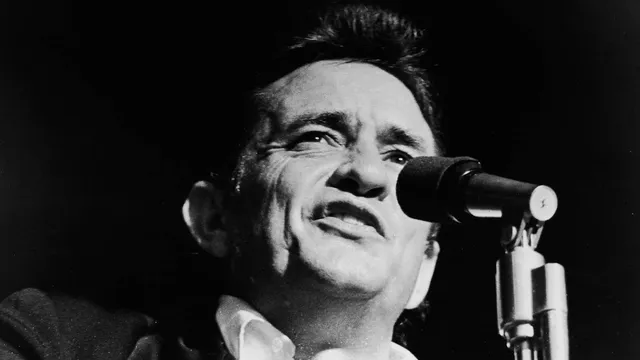
Johnny Cash's estate sues Coca-Cola for using his voice without permission
Johnny Cash's estate sues Coca-Cola for using his voice without permission
- The estate of Johnny Cash has filed a lawsuit in Tennessee against Coca-Cola for the unauthorized use of his voice.
- Coca-Cola's advertisement featured a tribute singer mimicking Johnny Cash's voice without permission or compensation.
- The lawsuit asserts that this action constitutes theft of Cash's intellectual property rights and integrity.
Story
In a significant legal move, the estate of Johnny Cash has initiated proceedings against Coca-Cola, alleging the unauthorized use of his distinctive voice in a nationwide advertising campaign. This lawsuit was filed in Tennessee just days ago and highlights the growing concern over intellectual property rights concerning artists, especially posthumously. The campaign in question, titled 'Fan Work Is Thirsty Work,' aimed to promote Coca-Cola products during the 2025 NCAA college football season. It featured a singer whose voice closely resembled that of Johnny Cash, capturing the nostalgia and goodwill associated with the late musician. The lawsuit asserts that Coca-Cola exploited Cash's intellectual property rights without permission while also failing to offer any financial compensation to the estate. According to the case, the company allegedly hired a tribute artist through an advertising agency, who later acknowledged on social media that the purpose of the campaign was to leverage the positive associations that consumers have with Cash's voice and persona. The estate has claimed that such practices amount to theft of the artist's integrity and identity, fundamentally undermining the legacy Cash worked to build throughout his career. Notably, the lawsuit references the recently enacted ELVIS Act (Ensuring Likeness, Voice, and Image Security Act), which aims to protect the commercial rights of an individual's voice after their death. This legal framework reflects a growing recognition of the need to safeguard the creative legacies of deceased artists, which has become an increasingly valuable asset in contemporary advertising strategies. The estate asserts that Cash’s distinctive voice has been licensed only twice since his passing in 2003, both instances relating specifically to Super Bowl advertisements, underscoring the rarity and value of his voice as a commercial entity. The outcome of this lawsuit could set a vital precedent for artists’ estates and their ability to control how their likeness and voice are exploited in commercial contexts. Given Cash's iconic status and the lasting impact he has had on music, the implications of these legal proceedings could resonate throughout the entertainment industry. The Cash estate maintains that the legal rights to his name, image, likeness, and voice are collectively managed by The Trust, emphasizing their commitment to protecting and preserving Johnny Cash’s legacy for future generations.
Context
The topic of intellectual property rights for deceased artists is a complex and nuanced area that intersects art, law, and ethics. Intellectual property rights protect the creations of individuals, and when these creators pass away, the question of who retains control over their works arises. In many jurisdictions, the rights to a deceased artist's works can be inherited by their heirs or managed by estates. This often raises concerns regarding the commercialization of an artist's legacy, the preservation of their artistic vision, and the rights of the heirs juxtaposed against public access to art. Laws governing these rights vary widely; for example, in the United States, the Copyright Act provides a standard term of copyright protection that lasts for the life of the author plus an additional 70 years. This means that many works created by artists who passed away several decades ago are still under copyright, impacting how and by whom these works can be disseminated and utilized. The management of intellectual property rights for deceased artists is crucial for ensuring that their contributions to culture are honored while allowing their heirs or estates to benefit from their legacy. The financial aspect cannot be understated; successful artists often have substantial estates that require careful management to maximize their economic value. For example, iconic brands associated with deceased artists can generate significant revenue through merchandising, licensing, and other commercial ventures. However, such commercial activities can sometimes conflict with the artist's original intent and values. Therefore, responsible management requires continuously balancing the pursuit of profit with respecting the artist's legacy and the intentions they had for their work. Additionally, the emergence of new technologies has complicated the landscape of intellectual property rights. Digital distribution platforms and social media allow artwork to be shared and reproduced in ways that were unimaginable during an artist's lifetime. While these innovations can serve to amplify an artist's reach and impact posthumously, they also create challenges in enforcing rights and preventing unauthorized use. Furthermore, the ease of copying and redistributing works raises concerns about the devaluation of art and the potential for misappropriation of an artist's work without proper attribution or compensation. Copyright law is continually evolving to address these challenges, with discussions around both legislative and judicial responses to modern technology's impact on intellectual property protections. Ultimately, the rights of deceased artists underscore the importance of understanding how intellectual property law operates in relation to creative works. This area serves as a reminder of the enduring impact that artists have on society and the need to protect their works in a manner that respects their contributions. As society continues to grapple with these issues, it is vital that discussions around intellectual property rights evolve to ensure that the legacies of artists are honored and that future generations can continue to learn from and be inspired by their work.


