

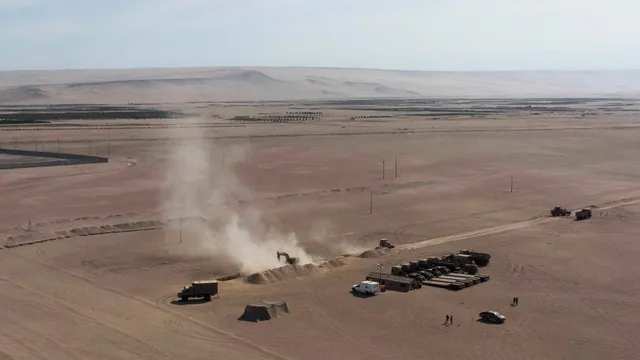
José Antonio Kast launches border barrier initiative to curb immigration
José Antonio Kast launches border barrier initiative to curb immigration
- José Antonio Kast began overseeing preparations for a border barrier in Chile following his inauguration in December 2024.
- The construction is part of his "Border Shield" plan, aimed at blocking illegal immigration and drug trafficking.
- Kast's hardline policies reflect a broader rightward political trend in Latin America and resonate with public concern over immigration.
Story
In December 2024, Chile's new president, José Antonio Kast, began implementing immigration policies that reflect his hardline stance on border security. Following his inauguration, Kast visited the Chacalluta area at the northern border, overseeing the initial steps of constructing a physical barrier designed to prevent illegal immigration. The project, termed the "Border Shield" plan, will include trenches and walls, with military and drone patrols to enhance security. Kast's measures come as the country faces a notable increase in its foreign population, and public concerns over crime and the strain on social services have risen. The new president's orders are in response to an alarming trend: between 2017 and 2024, the foreign population residing in Chile doubled, leading to over 300,000 undocumented individuals reportedly living in the country. Many of these newcomers are fleeing the economic and political turmoil from neighboring countries, primarily Venezuela. However, this surge has also drawn criticism as Chileans express fears regarding increased crime rates, including carjackings and kidnappings, which were largely unknown in the country's recent history. Kast, following a similar approach to that of former U.S. President Donald Trump, utilized emergency powers to push through several decrees aimed at bolstering border security. Alongside the construction of the physical barriers, Kast's administration is exploring international agreements for the expedited deportation of undocumented migrants. It plans to prohibit remittance transfers and restrict hiring or renting practices to individuals lacking proper documentation. The mass immigration and its consequences have become a significant focal point of debate within Chile, and public sentiment largely aligns with the president's initiatives. Surveys indicate that around 80% of citizens support the implementation of border control measures, highlighting the widespread anxiety surrounding immigration issues. As Kast navigates these complex dynamics, his administration faces legislative challenges due to a divided Congress. His coalition holds a minority in both houses, which could complicate the aggressive immigration agenda. The centrist Party of the People, holding crucial votes, will likely seek concessions before supporting Kast's border wall and deportation plans. The broader rightward political shift in Latin America adds to the urgency of Kast's agenda and showcases shifting sentiments within the region towards more conservative governance amidst ongoing social and political concerns.


