

Two workers killed in deadly explosion at U.S. Steel mill post-acquisition
Two workers killed in deadly explosion at U.S. Steel mill post-acquisition
- In August 2025, an explosion at Clairton Coke Works resulted in two worker fatalities and multiple injuries.
- The incident prompted an investigation from the Chemical Safety Board, which identified serious safety hazards.
- Employee dissatisfaction with management's commitment to safety raises concerns about the future of workplace conditions.
Story
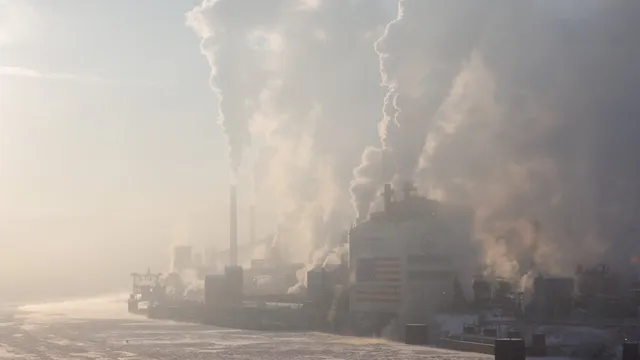
In August 2025, a tragic explosion occurred at the Clairton Coke Works in Pennsylvania, resulting in the deaths of two U.S. Steel workers and injuries to eleven others, including contractors. The incident happened while workers were operating a gas isolation valve that malfunctioned under extreme pressure. This explosion followed Nippon Steel’s significant $15 billion acquisition of U.S. Steel just months prior. Following this acquisition, safety concerns raised by the Chemical Safety Board prompted an investigation, revealing unmitigated hazards warranting immediate action. Critiques from current employees highlighted a lack of genuine prioritization of safety protocols, suggesting systemic issues within the company's operational framework. Investigations into the Clairton Coke Works were ongoing, and the Chemical Safety Board's findings indicated a pattern of negligence regarding safety and maintenance protocols at the facility. In response to consistent criticism, U.S. Steel stated it has made improvements to safety measures and maintenance programs over the years. However, many workers believe the company prioritizes production over safety. This reflects a long-standing tension between the operational demands of the plant and the well-being of its workforce. Historically, Clairton Coke Works has been notorious for its environmental and safety violations, being the largest local source of air pollution in the region. The Allegheny County Health Department has imposed substantial fines on U.S. Steel for ongoing violations, highlighting an urgent need for environmental compliance. This explosion and its aftermath are indicative of the larger issues facing U.S. Steel, particularly as they navigate industrial safety in a highly scrutinized industry. Employee testimonies suggest sentiments of frustration and danger, as their calls for improved safety measures are often met with resistance. As U.S. Steel strives to address these safety and environmental challenges, it faces public scrutiny and community pushback regarding its operational practices. The substantial financial investments made in compliance initiatives and facility upgrades have not quelled fears about worker safety. This incident has raised alarm bells at a crucial moment for U.S. Steel, especially following significant corporate transitions that demand an adaptable and responsive operational structure to protect both the workforce and the environment.


