
military conflicts
controversial
impactful

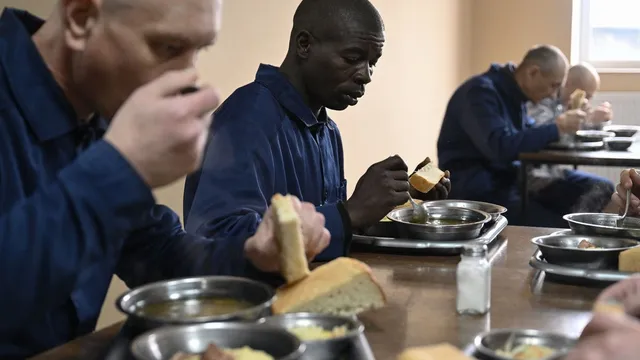
Kenya recruits over 1,000 citizens to fight in Ukraine conflict

Feb 20, 2026, 6:33 AM20
(Update: Feb 23, 2026, 1:00 AM)
sovereign state in Eastern Europe and Northern Asia
country in Eastern Europe

Kenya recruits over 1,000 citizens to fight in Ukraine conflict

  • A recent intelligence report indicated that over 1,000 Kenyans were misled into joining the Russia-Ukraine war.
  • Many recruits were promised jobs in Russia but ended up fighting on the front lines instead.
  • The scandal has raised concerns about the responsibility of recruitment agencies and government officials in Kenya.
Share your opinion
2

Story

In recent months, a troubling report from Kenya's National Intelligence Service revealed that more than 1,000 Kenyans were duped into joining the Russia-Ukraine conflict. These individuals, seeking job opportunities, were misled by recruitment agencies and Russian officials who promised skilled positions in Russia. Upon arrival, many recruits realized they had been deceived and were expected to engage in combat rather than perform the roles they anticipated. The report detailed the current status of the recruits, indicating that 89 were on the front lines, 39 hospitalized, and 28 reported missing. The recruitment process has raised concerns about collusion among various parties, including rogue airport staff, immigration officials, and embassy personnel. Following the alarming revelations, Kenyan families have urged the government to take action to secure the return of their loved ones stranded abroad. Reports of fraudulent recruitment extend beyond Kenya, affecting youth across several other African nations, as they are lured into military service under false pretenses related to job offers. Individuals like Chege, who fall victim to these schemes, recounted their shocking experiences once they learned they were to fight instead of working as drivers, as promised. Faced with this harsh reality, many recruits encountered traumatic scenes on the battlefield, which left significant psychological scars. Chege managed to escape and shared his story to warn others of the dangers posed by such fraudulent operations. As families demand government intervention, the Kenyan government has acknowledged the seriousness of the matter, and the National Intelligence Service continues to investigate these recruitment networks. Despite the Russian Embassy in Kenya denying involvement, they maintain their right to permit voluntary enlistment of foreign citizens in their armed forces. The ongoing recruitment scandal raises pressing questions about the ethics and legality of these practices, emphasizing the need for scrutiny of recruitment agencies and the responsibilities of governmental agencies in ensuring the safety of their citizens abroad. The situation reflects broader issues of youth vulnerability in Africa, where economic challenges often push individuals toward risky opportunities that can lead to dire consequences, like conscription into foreign military conflicts. People are desperately calling on their governments to act swiftly to protect their citizens from being exploited in such dangerous endeavors.

Context

The impact of fraudulent military recruitment in Africa is a multifaceted issue that poses serious challenges to national security, social stability, and the integrity of military institutions. In recent years, various reports have highlighted the rise of fraudulent activities in military recruitment processes across several African countries. These include the exploitation of vulnerable populations seeking employment, particularly young men and women who are often lured by false promises of financial stability and upward mobility. Fraudulent practices undermine the trust between the military and the society it is meant to protect, creating a climate of suspicion that can lead to increased recruitment of unqualified or even dangerous individuals into armed forces. Beyond the immediate effects on recruitment, fraudulent practices can have long-term repercussions on military effectiveness. When unqualified individuals are enlisted, the operational readiness and capability of the military are jeopardized. Soldiers who are not properly vetted or trained may lack the necessary skills and commitment, which could lead to poor decision-making in critical situations and ultimately undermine missions both domestically and abroad. This not only endangers the lives of military personnel but also puts citizens at risk during conflicts or security operations, as the military's ability to perform competently is compromised. The socio-economic implications of fraudulent recruitment practices are also significant, contributing to a cycle of poverty and instability in affected areas. When communities perceive that military service is based on corrupt practices rather than merit, this discourages youth from pursuing legitimate avenues for employment and may foster disillusionment with government institutions. As a result, communities become more susceptible to radicalization and recruitment by extremist groups, further destabilizing the region. Moreover, ongoing corruption within recruitment processes can lead to widespread societal grievances that can fuel unrest and contribute to larger societal divisions. Addressing the issue of fraudulent military recruitment requires a comprehensive approach, involving both policy reforms and community engagement. Governments must prioritize transparency, accountability, and integrity in the recruitment process, implementing strict vetting procedures and creating awareness campaigns to educate potential recruits about the dangers of fraud. Strengthening legal frameworks to prosecute those involved in fraudulent activities effectively can deter such practices. Furthermore, fostering partnerships between military institutions, civil society organizations, and local communities can promote trust and highlight the importance of ethical recruitment, ultimately leading to a stronger and more reliable military force.

2026 All rights reserved
