

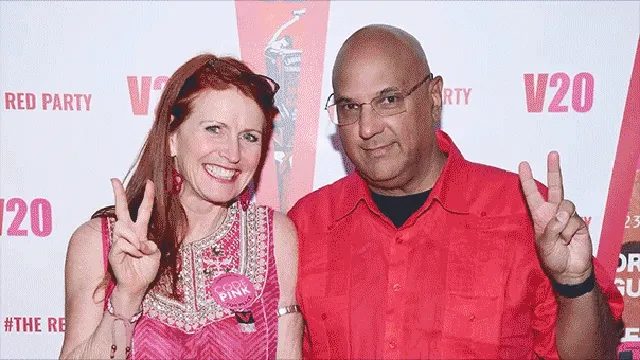
Singham and Evans create global anti-U.S. network from wedding
Singham and Evans create global anti-U.S. network from wedding
- The wedding of Neville Roy Singham and Jodie Evans in Jamaica in 2017 initiated a network aligned with anti-U.S. sentiments.
- Singham has contributed $278 million into numerous organizations promoting communist ideologies, significantly impacting global activism.
- The resulting shifts in activism reflect a coordinated strategy that poses challenges to American political narratives and interests.
Story
In 2017, Neville Roy Singham and Jodie Evans hosted a wedding in Jamaica that marked the inception of a new global network aimed at promoting anti-U.S. sentiments in alignment with the Chinese Communist Party's ambitions. This event is described as having gathered attendees who invoked Mao Zedong's teachings and strategized on mobilizing support for a Maoist 'People's War.' Allegedly, this event was significant enough to set the foundation for a considerable sum of money to be channeled into various activist organizations across multiple continents, including the establishment of the People’s Forum in New York shortly after the wedding. As per investigations conducted by Fox News Digital, Singham has reportedly funneled approximately $278 million into a myriad of nonprofits, think tanks, and media outlets that share a unified ideology resistant to American influence. The investigation identifies Singham and Evans's involvement as pivotal in orchestrating campaigns that align with a broader narrative favoring Chinese growth and influence on the global stage, positioned against traditional U.S. values. This financial support has then catalyzed the formation of a layered network engaged in what scholars describe as 'cognitive warfare' against U.S. interests. Events linked to this network have been strategically varied, ranging from protests in the United States to support for international communist movements. The FBI has taken note of Singham’s ties to the Communist Party of China, with implications that he seeks to advance ideological narratives that could reshape perceptions of historical geopolitical conflicts, such as World War II. There is a growing concern regarding how this network leverages grassroots movements and influential platforms to promote its messaging, effectively operating under the guise of social movements while aligned with foreign powers. Ultimately, the ramifications of this expansive network point to an unsettling reality where significant funds, political strategies, and historical narratives can coalesce to create a powerful counter-narrative to established Western ideologies. This convergence of money and ideology showcases a dramatic shift in the landscape of modern activism and the global balance of power, prompting necessary discussions about foreign influence in domestic affairs, and challenging the U.S. to reconsider its own narratives and supportive structures within global politics.


