

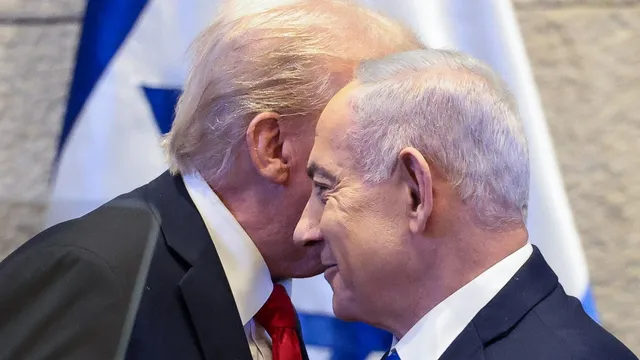
Netanyahu requests pardon amid corruption trial
Netanyahu requests pardon amid corruption trial
- Benjamin Netanyahu formally requested a presidential pardon from President Isaac Herzog, citing the need to unify Israel amidst his corruption trial.
- U.S. President Donald Trump influenced Herzog's decision, urging a pardon for Netanyahu and referring to the legal proceedings as politically motivated.
- The request has sparked debates about the implications of pardoning a sitting prime minister and the potential effect on Israeli democracy.
Story
In Israel, Prime Minister Benjamin Netanyahu submitted a formal request for a pardon to President Isaac Herzog, resulting from intense public and political pressure. This request comes just weeks after U.S. President Donald Trump personally urged Herzog to grant a pardon, framing Netanyahu's ongoing corruption trial as politically motivated. Netanyahu is facing charges stemming from allegations of bribery, fraud, and breach of trust related to accepting lavish gifts from wealthy supporters in exchange for political favors. The legal proceedings have ignited substantial debate within Israeli society about the implications of the case for democracy and the rule of law. During his presidency, Isaac Herzog stressed that he would approach Netanyahu’s pardon request with a focus on the well-being of the state and its citizens. Herzog's office characterized the request as extraordinary, reflecting the significant legal opinions that would be reviewed before any decision. The ongoing discourse around Netanyahu’s legal troubles has intensified, with many opponents arguing that a pardon would set a dangerous precedent and diminish trust in democratic institutions. As Israel navigates through this politically charged environment, Netanyahu's specific arguments in his pardon request center on the hope that resolving his trial could help unify a divided nation. He perceives the trial as a focal point of debate that exacerbates societal rifts. Despite Netanyahu's insistence on his innocence and claims of a politically motivated attack against him, the realities of his legal challenges remain. With his trial frequently postponed for various reasons, including diplomatic concerns, the future of Netanyahu’s premiership hangs in a delicate balance, influenced by both domestic and international perspectives. The fallout from this situation not only threatens Netanyahu's political career but may also impact broader governance issues in Israel. Observers and citizens alike are called to engage in discussions about the role of the judiciary and the political ramifications of high-profile cases like Netanyahu’s. The outcome of this pardon request could either solidify or undermine public trust in the political process and judicial system as Israel approaches a critical juncture in its governance structure. The pressures surrounding Isaac Herzog and public opinion might further complicate the process of addressing Netanyahu’s legal issues and determining the implications of a potential pardon.
Context
The intersection of legal issues facing Israeli Prime Minister Benjamin Netanyahu and the landscape of Israeli politics has been a complex and evolving narrative. Netanyahu's legal battles, including corruption charges, have not only garnered international headlines but also significantly influenced domestic political dynamics. As Prime Minister, Netanyahu has utilized his position to challenge and impugn the legitimacy of the legal proceedings against him, framing them as politically motivated attacks orchestrated by his opponents. This narrative resonates with a substantial portion of his base, which views the accusations as an effort to undermine a democratically elected leader. Consequently, these developments have polarized Israeli society, leading to heightened tensions and debates regarding the rule of law and accountability in governance. The ongoing legal challenges raised critical questions about the stability and functionality of the Israeli government. As Netanyahu faces trial and potential conviction, concerns mount regarding the implications for coalition governance, as his party, Likud, risks fracturing under internal pressures and public scrutiny. While Netanyahu's supporters maintain loyalty, opposition parties have capitalized on the situation, calling for accountability and transparency. As such, the political landscape has been characterized by a shifting balance of power, with various factions jostling for influence and control in a system marked by increasing fragmentation and polarization. Moreover, Netanyahu's legal issues have implications for foreign relations and Israel's standing on the global stage. Allies and adversaries alike are watching closely as the outcome of the trials may persuade shifts in diplomatic strategies and defense policies. The situation complicates Israel's interactions with entities like the United States and the European Union, particularly as discussions around shared values, human rights, and governance continue to evolve. If the legal proceedings culminate in unfavorable outcomes for Netanyahu, it could incite broader calls for reform within Israeli politics and society. Conversely, a favorable resolution for Netanyahu may embolden his controversial policies and entrench his power, further stymying efforts for bipartisan reform and reconciliation in a deeply divided nation. The long-term impact of Netanyahu's legal struggles on Israeli politics remains uncertain yet significant. Such events could reshape voter attitudes and party allegiances in upcoming elections, especially as public sentiment fluctuates in response to the unfolding legal processes. As the situation develops, it is crucial to monitor how these challenges will continue to influence not only the trajectory of Netanyahu's political career but also the broader context of governance in Israel. With a system already teetering under the pressures of populism, polarization, and public distrust, the outcomes of these legal issues may well mark a turning point in Israeli history, further impacting its democratic framework and societal cohesion.


