

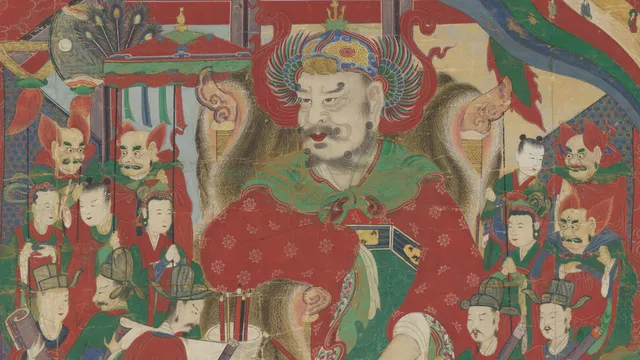
Metropolitan Museum of Art returns historic Buddhist painting to South Korea
Metropolitan Museum of Art returns historic Buddhist painting to South Korea
- The painting 'The Tenth King of Hell' was returned after being taken during the Korean War.
- This return is part of increasing efforts to address cultural losses linked to conflicts.
- The action reflects the museum’s recognition of the importance of cultural heritage and cooperation with South Korean institutions.
Story
In South Korea, the Metropolitan Museum of Art returned a 227-year-old Buddhist painting, 'The Tenth King of Hell,' to the Sinheungsa Temple in Sokcho. The painting was believed to have been taken from the temple during the Korean War, when the U.S. Army controlled the area. The museum's acquisition of the painting, which occurred in 2007, was the subject of an investigation involving representatives from the temple and the Sokcho Committee for the Return of Cultural Heritage. This return is part of a larger movement addressing the cultural losses experienced during the war. The painting is part of a set of ten scrolls that were removed from the temple, with this return bringing the total to seven of the ten scrolls that have been restored to South Korea. Notably, the Los Angeles County Museum of Art had earlier returned six of the scrolls in 2020, which highlighted the ongoing discussions about cultural heritage and the restitution of items taken during conflicts. Art experts emphasize the importance of acknowledging the histories surrounding such items to foster understanding and appreciation of Korean art and culture. The painting features significant traditional elements of Buddhism, with depictions of the Tenth King surrounded by figures from the underworld, emphasizing the themes of judgment and fate in Buddhist beliefs. The inscription on the painting dates it back to 1798, providing a historical context that underscores its cultural significance. The return of this painting is seen as a critical step in recognizing the vulnerabilities of cultural heritage amidst armed conflict. Max Hollein, the Met's director, expressed the museum's commitment to working with Korean institutions to enhance the global appreciation of Korean arts. Additionally, the museum has initiated reviews of its collection amid growing scrutiny regarding items with problematic histories, signifying a broader commitment to address issues of provenance and repatriation in the art world.


