

Bari Weiss yanks '60 Minutes' segment on CECOT prison over political tensions
Bari Weiss yanks '60 Minutes' segment on CECOT prison over political tensions
- The investigative segment 'Inside CECOT' was focused on El Salvador's maximum-security prison for deportees.
- Sharyn Alfonsi voiced concerns about the segment being pulled due to political motivations rather than editorial standards.
- The postponement sparked criticism regarding CBS's adherence to journalistic integrity amid political pressures.
Story
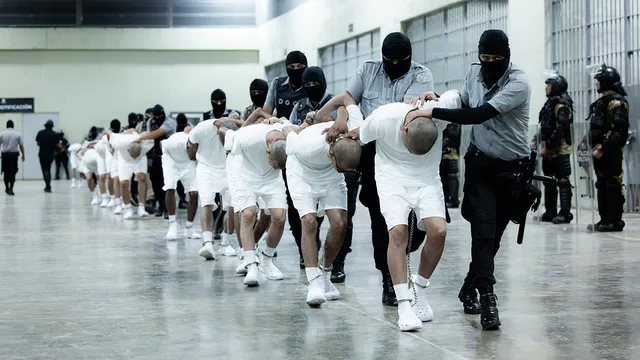
In the United States, CBS News delayed the airing of an investigative segment focused on the CECOT prison in El Salvador, known for its harsh treatment of deportees. The segment titled 'Inside CECOT,' originally scheduled to air on a Sunday evening, explored testimonies of migrants deported to this maximum-security prison by the Trump administration. The decision to pull the segment happened mere hours before it was to be broadcasted, raising questions about the motivations behind this unexpected change. CBS stated that the report required 'additional reporting.' Following the announcement, Sharyn Alfonsi, the correspondent for the piece, expressed her frustration and indicated that the decision was politically motivated rather than an editorial choice. She contended that the segment had undergone extensive review, being screened five times and approved by CBS's legal and standards departments. In her harshly worded email to colleagues, Alfonsi asserted that this decision set a dangerous precedent, effectively granting the government a 'kill switch' to suppress uncomfortable journalism. Bari Weiss, CBS News Editor-in-Chief, defended her decision, emphasizing the need for thoroughness in reporting. In her statements, she noted the importance of securing comments from relevant government officials to enhance the piece's context. However, many journalists within CBS criticized Weiss for apparent censorship and inability to stand firm against political pressures. This incident reveals the tension and unrest within the news organization, illustrating the clash between journalistic integrity and corporate and political influences. The unforeseen postponement created a ripple effect, prompting anger and disappointment among CBS staffers and raising alarms about the independence of the network since its recent restructuring. Critics have highlighted that this incident occurred shortly after CBS formed a new leadership under a merger that has aligned itself with more conservative viewpoints. The staff and commentators have voiced concerns that airing this segment is vital not just for its content but for maintaining the public's trust in CBS News as a bastion of serious journalism at a time when media credibility is under scrutiny.
Context
The Trump administration's approach to Venezuelan migrants has been a crucial aspect of U.S. immigration policy during his presidency. As Venezuela has faced a profound humanitarian crisis marked by political instability, economic collapse, and widespread violence, millions of Venezuelans have fled their home country seeking refuge abroad. The administration's stance on deportations of these migrants has elicited significant attention and controversy. Advocates argue that deporting Venezuelan migrants back to their home country is tantamount to sending them back to harm, as conditions in Venezuela remain dire, with rampant shortages of food, medicine, and safety. Critics of the Trump administration contend that its policies have not adequately considered the plight of these individuals who have escaped brutal hardships. In 2020, U.S. immigration policy under the Trump administration continued to focus on deportation as a primary mechanism for managing illegal immigration. The administration's enforcement strategies applied to various nationalities, including Venezuelans. As Venezuelan political exiles sought asylum in the United States, many found themselves at risk of deportation, thereby amplifying the tension between national immigration policies and human rights considerations. The administration argued that strict immigration enforcement was necessary for national security, but this often conflicted with humanitarian concerns. Human rights organizations raised alarms about deportations being rushed and conducted without proper consideration of the asylum claims of Venezuelans escaping severe oppression. The context of U.S.-Venezuela relations also significantly impacted the deportation policies. During the Trump administration, the U.S. took an aggressive stance against the Maduro regime, which led to a diplomatic isolation of Venezuela on many fronts. This geopolitical dynamic complicated the issue for Venezuelan migrants, as the regime's hostility towards dissenting voices heightened fears among those facing deportation. Many Venezuelans expressed concern that returning to their home country could have life-threatening implications due to the oppressive political climate. This situation raised ethical questions regarding the U.S. commitment to its obligations under international law to protect refugees and asylum seekers. As the administration pushed forth its enforcement policies, many Venezuelan migrants remained in legal limbo, navigating their rights within an increasingly complex immigration framework. While some Venezuelans obtained Temporary Protected Status, permitting them to remain in the U.S. under certain conditions, many continued to live in fear of deportation. The issue encompassed broader debates surrounding U.S. immigration reform and the moral responsibilities of the United States toward individuals displaced by crises abroad. Moving forward, the legacy of the Trump administration's deportations of Venezuelan migrants will likely influence future discussions regarding immigration policy, the balance between enforcement and humanitarian considerations, and the U.S. role in addressing global crises.


