

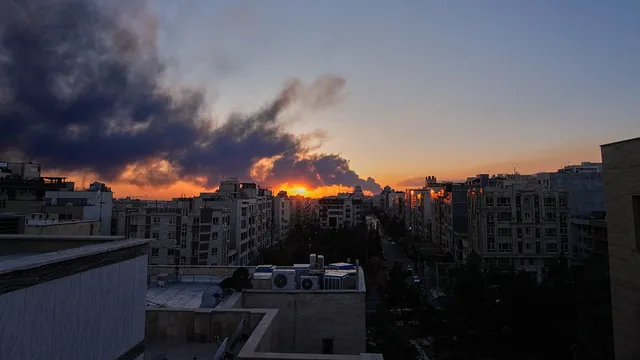
Trump administration conducts controversial airstrikes targeting Iran's leaders
Trump administration conducts controversial airstrikes targeting Iran's leaders
- The United States conducted airstrikes in coordination with Israel, targeting Iran's military leadership.
- These actions have led to debates in Congress regarding their legality and the extent of presidential authority.
- Concerns about increased tensions and potential global economic consequences have arisen following the airstrikes.
Story
In early March 2026, the United States, in collaboration with Israel, launched a series of airstrikes targeting Iran's military leadership. This military action resulted in the death of Ayatollah Ali Khamenei, the supreme leader of Iran. The strikes have ignited a contentious debate in Congress regarding their legality and the extent of presidential war powers. Democrats have argued that these actions amount to a war that requires Congressional approval under the War Powers Act of 1973. They believe that President Donald Trump has exceeded his authority as the situation appears to escalate beyond a limited engagement. Republicans, however, maintain that the strikes were a justified move to prevent Iran from developing nuclear capabilities and argue that the President acted within his constitutional powers. They assert that the airstrikes were narrowly tailored and within the scope allowed for national security situations. Prominent figures, such as Senator Josh Hawley, have expressed strong support for the administration's actions, asserting that they complied with relevant legal statutes while indicating that the absence of ground troops makes this a limited operation. The attacks have contributed to rising tensions in the Middle East, with implications that could lead to broader conflict involving multiple nations. As the region remains volatile, the repercussions of these airstrikes are being scrutinized by various observers, raising concerns of a potential global economic disaster, as warned by the Qataris, and exploring the implications of U.S. military actions on international stability. Furthermore, the U.S. administration has been accused of utilizing propaganda to justify its military actions, leading to increased polarization in American domestic politics on matters of foreign intervention. With debates intensifying about the legality and morality of the administration's aggressiveness, many in Congress are calling for a reassessment of the Presidential war powers. The discussion centers on the responsibilities and limitations of the executive branch, particularly in a climate where military actions could easily escalate into larger conflicts without adequate oversight or approval from elected representatives. Observers are now left to speculate on what comes next in U.S.-Iran relations and the broader geopolitical landscape.
Context
The War Powers Act of 1973, enacted during the tumultuous period of the Vietnam War, aims to check the president's power to engage U.S. forces in hostilities without congressional approval. This legislation reflects a crucial response to growing concerns over executive overreach in military affairs, which many believed contributed to prolonged conflict and loss of life. The Act requires the president to notify Congress within 48 hours of committing armed forces to military action, and prohibits armed forces from remaining engaged for more than 60 days without congressional authorization, followed by a 30-day withdrawal period. These stipulations are designed to ensure that both branches of government share in decisions regarding military action, thereby reinforcing the system of checks and balances mandated by the Constitution. Despite its clear objectives, the War Powers Act has faced significant challenges and criticisms over its effectiveness and compliance. Presidents have frequently found ways to circumvent these restrictions, asserting their constitutional authority to act in the interest of national security without prior congressional approval. Such actions have led to ongoing debates about the separation of powers and the proper role of the presidency in the context of military engagement. Moreover, the legislation's ambiguous language has resulted in varying interpretations regarding what constitutes "hostilities" and the president's responsibilities under the Act, complicating its enforcement and effectiveness. The implications of the War Powers Act extend beyond legal frameworks, influencing the nature of U.S. military engagement and foreign policy. It fosters a crucial dialogue between the executive and legislative branches about the necessity and justification of military actions. Particularly in a post-9/11 world, where rapid military responses are often required, the expansion of presidential authority has raised questions about the Act’s relevance and whether it needs to be reevaluated to align with contemporary geopolitical realities. Critics argue that the Act can sometimes hinder timely military responses, while supporters posit that it serves as an essential safeguard against unilateral military action. In summary, the War Powers Act of 1973 provides a legislative framework to limit presidential military action, emphasizing the need for congressional oversight. While it has not wholly succeeded in curbing executive power, the Act has laid the groundwork for ongoing discussions about military authority and governance within the U.S. political system. As military engagements continue to evolve in complexity and duration, the implications of this Act will remain a pivotal issue in the discourse surrounding American foreign policy and national security.


