

U.S. imposes new entry rules amid growing Ebola outbreak
U.S. imposes new entry rules amid growing Ebola outbreak
- The U.S. has mandated that travelers from the Democratic Republic of the Congo, Uganda, and South Sudan enter through Dulles International Airport.
- Enhanced health screenings will be conducted by the CDC and Customs and Border Protection.
- This proactive measure aims to prevent the spread of Ebola into the United States as the outbreak escalates.
Story
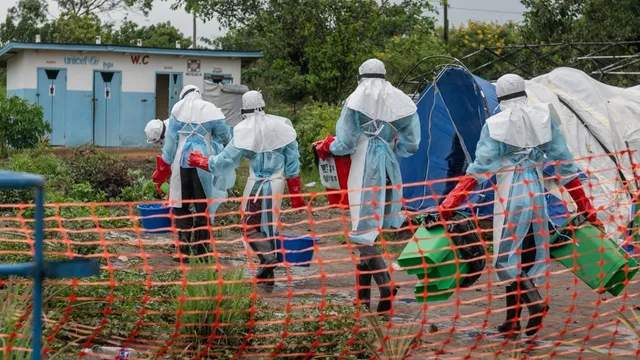
In response to a rapidly spreading Ebola outbreak, the United States has initiated new health measures affecting travelers from the Democratic Republic of the Congo, Uganda, and South Sudan. The Department of Homeland Security mandated that all U.S.-bound travelers from these nations must enter through Washington Dulles International Airport. This measure is aimed at enhancing health screenings, with both the Centers for Disease Control and Prevention and Customs and Border Protection set to conduct thorough medical assessments of travelers. The urgency for these restrictions escalated after the World Health Organization classified the outbreak as a global health emergency due to the alarming increase in suspected cases and fatalities. Reports indicate that over 600 suspected infections and 139 confirmed deaths have surfaced, marking a critical point in the epidemic's trajectory. Concerns have emerged regarding the ability to contain the outbreak amid ongoing armed conflicts and shortages of essential medical supplies in the region. Additionally, the restrictions apply not only to foreign travelers but also to U.S. citizens and green card holders who have been in those affected countries within 21 days before their arrival in the U.S. Officials at Dulles Airport expressed confidence in their preparation, stating that they do not anticipate significant disruptions for airport customers even with these new measures coming into play. However, airlines are expected to adjust their routes and schedules as they comply with the regulations. Health officials have voiced fears that the known cases may only represent a small fraction of the actual infections, suggesting this outbreak could escalate further if not adequately managed. The governmental measures come at a time when previous funding and support for Ebola control have been markedly reduced. The Trump administration's announcement underscores a renewed commitment to addressing the public health threats emanating from this severely underfunded crisis in Eastern Africa. The actions taken now reflect an increased recognition of the need for immediate and coordinated responses to prevent further dissemination of the virus into other regions and uphold public health standards in the United States. In stark contrast to the U.S. response, Ugandan officials have criticized these travel restrictions as an excessive reaction. They insist on their capacity to manage isolated cases within their border and argue that the restrictions may hinder their response efforts. The juxtaposition of U.S. measures against Ugandan assertions highlights the complexities and challenges of international public health diplomacy in the face of a growing epidemic.
Context
analysis trends data geopolitical shift strategic strategic insight analysis impact global shift trends strategic economic analysis analysis data insight market economic geopolitical analysis data shift global trends analysis global trends data geopolitical market policy shift market shift strategic market insight policy geopolitical market economic global analysis strategic impact insight impact impact geopolitical strategic impact strategic geopolitical analysis market trends analysis impact policy economic data data analysis data impact strategic market analysis economic economic global policy shift shift trends policy policy...


