

business
innovative
informative
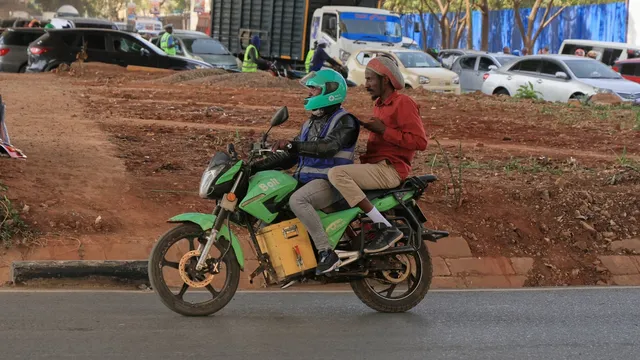
Electric motorcycle riders demand battery ownership in Kenya
Feb 7, 2026, 5:01 AM10
(Update: Feb 7, 2026, 5:01 AM)
business
innovative
informative
Electric motorcycle riders demand battery ownership in Kenya
- Hundreds of electric motorcycle riders in Kenya protested for better battery-swap access.
- The current system limits riders' ability to charge at home and their earnings potential.
- Calls for standardized battery systems could enhance electric mobility and financial sustainability.
Insights
News 1 1
Related reports
Opinions
Story
“
economic trends shift trends strategic policy economic global impact market data impact analysis impact data global shift economic shift market geopolitical market insight market impact market trends shift market trends geopolitical policy impact strategic shift trends geopolitical trends economic insight global trends strategic analysis geopolitical policy geopolitical shift data global analysis economic economic global trends global shift strategic strategic policy global trends trends shift data market insight geopolitical trends data global impact economic insight analysis shift analysis strategic policy global...
2026 All rights reserved



2026 All rights reserved