

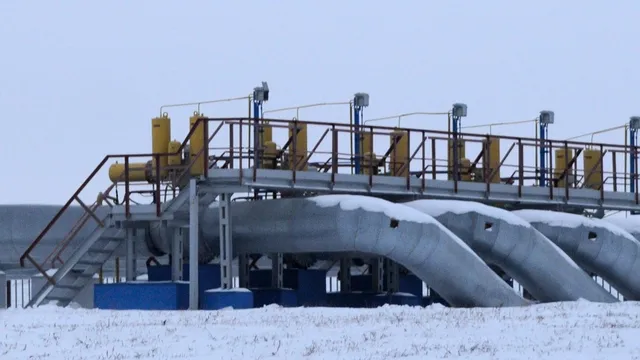
Putin hints at stopping gas supplies to Europe amid rising tensions
Putin hints at stopping gas supplies to Europe amid rising tensions
- Putin's remarks reflect a significant potential shift in Russia's energy export strategy amid European sanctions.
- Rising energy prices in Europe have prompted discussions on the future of gas imports from Russia.
- The situation underscores the changing dynamics of energy dependence and geopolitical tensions affecting both Russia and Europe.
Story
In early April 2026, Russian President Vladimir Putin indicated the possibility of halting gas supplies to European markets. This statement stemmed from discussions around an upcoming European Commission legal proposal to permanently ban Russian oil imports, which was anticipated to be announced shortly after the Hungarian parliamentary elections. Putin also mentioned that Russia could pivot towards other global buyers as European countries look to reduce their reliance on Russian energy, particularly as tensions in the Middle East influenced rising energy prices. The spike in European gas prices, attributed to escalating conflicts in and around Iran, has garnered significant attention. Nearly 20 percent of the world's liquefied natural gas (LNG) transits through the Strait of Hormuz, whose effective closure has led to significant supply concerns. The price surge illustrated a growing demand for LNG from regions like Qatar and the United States, as Europe seeks to phase out Russian gas in response to the ongoing war in Ukraine and subsequent sanctions. President Putin's comments are further complicated by the fact that Russian gas sales to Europe have significantly declined since the onset of the conflict in Ukraine in 2022. The Russian government, represented by Deputy Prime Minister Alexander Novak, announced plans to meet and discuss potential adjustments in energy supply routes and partnerships with companies. Russia remained a critical energy supplier for various European countries, even though its share of EU gas imports had dropped dramatically between 2021 and 2025. By 2025, Russia’s share of pipeline gas imports had fallen to around 6 percent from approximately 40 percent. The warnings from Putin regarding possible cutoffs are indicative of the broader geopolitical trends affecting energy supply chains. The European Union's plans to reduce reliance on Russian oil and gas have not gone unnoticed; Putin himself linked these plans to the potential halt in energy exports. He emphasized Russia's reliability as a supplier while simultaneously exploring alternative markets that may offer more profitable opportunities, thus demonstrating a strategic pivot amidst tightening energy crises in Europe.
Context
The impact of Russia's gas supply halts on Europe's economy has been significant and multifaceted, causing profound shifts in energy consumption patterns, prices, and source diversification strategies. The cessation of gas supplies from Russia, which has historically been one of Europe’s primary energy suppliers, has catalyzed immediate economic challenges across the continent. Industries reliant on stable and affordable energy have faced increased operational costs, leading to reduced production capabilities, layoffs, and in some cases, facility closures. This disruption has not only affected energy-intensive sectors such as manufacturing and utilities but has also had a ripple effect on consumers, with increased energy bills and inflation becoming prominent concerns for households throughout Europe. Governments have had to employ financial measures to cushion the economic shock, including subsidies and price caps, which have strained public budgets and potentiated long-term fiscal implications. In response to these challenges, European nations have accelerated their efforts to diversify energy sources and enhance energy independence. The urgency to secure alternative suppliers, whether from renewable sources, liquefied natural gas (LNG), or increased imports from other countries, has reshaped the energy landscape. Investments in renewable energy infrastructure have surged as nations aim to reduce reliance on fossil fuels in the long term while addressing immediate energy shortages through strategic partnerships and contracts. The European Union has also reinforced its commitment to the Green Deal, promoting sustainable energy initiatives that align with the objective of achieving net zero emissions by 2050. This comprehensive focus on energy diversification not only mitigates the immediate risks associated with Russian gas supply cuts but also positions Europe to withstand future geopolitical uncertainties. Furthermore, the volatility in gas prices stemming from the supply disruptions has created significant inflationary pressures across the board. With energy prices directly influencing the cost of goods and services, inflation rates in many European countries reached unprecedented levels, prompting central banks to reconsider their monetary policies. The delicate balance of stimulating economic growth while controlling inflation has posed a critical challenge for policymakers. The economic landscape, shaped by these energy uncertainties, underscores the need for coordinated efforts at both national and EU levels to develop robust energy security measures while considering the environmental implications of energy production and consumption. In summary, the cessation of Russian gas supplies has exposed Europe to startling economic vulnerabilities, driving a dynamic shift towards energy diversification and sustainability. The immediate economic impacts include increased operational costs for industries and inflationary pressures on consumers, while the long-term responses involve a strategic pivot towards renewable energy initiatives and enhanced energy independence. As Europe navigates these challenges, the lessons learned will likely lead to a redefined energy policy framework aimed at fostering resilience against future supply shocks, ensuring both economic stability and environmental sustainability.


