

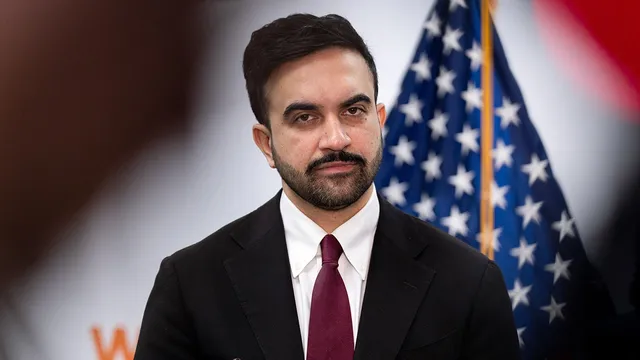
GOP senator links NYC mayor to 9/11 in inflammatory post
GOP senator links NYC mayor to 9/11 in inflammatory post
- Senator Tommy Tuberville shared a post linking NYC Mayor Zohran Mamdani to 9/11, which led to a significant backlash from Democratic politicians.
- Mamdani responded to the criticism, advocating for a focus on real issues like hunger rather than inflammatory rhetoric.
- The incident underscores the broader tensions in American politics regarding race, religion, and discriminatory language.
Story
In recent months, significant political backlash ensued after Alabama Republican Senator Tommy Tuberville posted on social media, stating, 'the enemy is inside the gates' while sharing an image that juxtaposed New York City Mayor Zohran Mamdani with the tragic events of September 11, 2001. Tuberville's comment, made in response to an account named 'End Wokeness,' sparked outrage from various political figures across the spectrum, particularly among Democrats who criticized his rhetoric as racist and Islamophobic. These comments triggered a broader discussion about inclusivity and discrimination against Muslim Americans, especially in the political arena. Mamdani, who is a Muslim and identifies as a democratic socialist, responded to Tuberville's remarks by questioning the disparity of political outrage against hunger in America compared to his actions at a Ramadan event. Democratic Senator Ed Markey and Senate Minority Leader Chuck Schumer also echoed their discontent with Tuberville's statements, calling for unity against such discrimination. Schumer insisted that the hateful language being used was fundamentally un-American and emphasized the patriotism of Muslim Americans in various occupations and professions. This incident is further compounded by Mamdani’s own controversy over statements regarding his wife, Rama Duwaji, who illustrated an essay for a pro-Palestinian author criticized for her extreme language concerning Israel. Mamdani’s condemnation of this language was met with backlash from pro-Palestinian advocates, who felt he failed to support his wife. Duwaji’s work, along with the partisan reactions to it, reflects the polarized environment surrounding discussions of Palestine, Israel, and the broader Muslim community in the U.S. The backlash highlights deepening divisions in American politics where issues of race, religion, and nationalism collide. Social media dynamics have exacerbated this situation, with prominent figures using platforms like Twitter (now X) to express their opinions directly to a wide audience, amplifying both support and dissent. The ongoing discourse continues to challenge notions of civility and respect as politicians grapple with the impact of their words in an increasingly contentious political landscape.


