

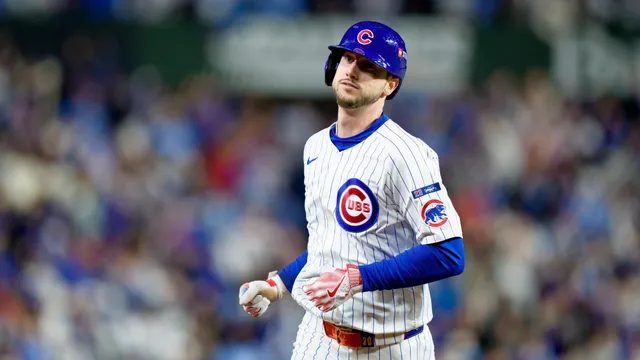
Kyle Tucker joins Dodgers with record-breaking contract
Kyle Tucker joins Dodgers with record-breaking contract
- Kyle Tucker signed a four-year, $240 million contract with the Los Angeles Dodgers, marking a significant addition to their roster.
- Teoscar Hernandez is expected to shift to left field with Tucker taking over in right field, indicating the team's strategic adjustments.
- The Dodgers' extensive spending has sparked controversy among fans and discussions regarding the future of salary regulations in Major League Baseball.
Story
In a significant move in Major League Baseball, Kyle Tucker, a star outfielder, has officially signed a lucrative four-year contract worth $240 million with the Los Angeles Dodgers. The deal, formalized in January 2026, followed Tucker's free agency which included offers from the New York Mets and Toronto Blue Jays. As a prominent addition to the team, Tucker is expected to fulfill a vital role in the Dodgers' pursuit of championship titles, following their previous successes in the league. To accommodate his signing on the roster, the Dodgers designated outfielder Michael Siani for assignment, indicating a strategic shift in their lineup. During his introductory press conference, Tucker expressed his admiration for the Dodgers organization, citing its strong reputation and enthusiastic fanbase as key factors in his decision to join the team. His arrival is anticipated to strengthen the Dodgers' outfield, where Teoscar Hernandez will transition to left field, and Tucker will handle the right field position. After spending an impressive season with the Houston Astros, where he finished fifth in American League MVP voting, the Dodgers are eager to leverage Tucker's skills in their upcoming games. The negotiation for Tucker's deal has sparked discussions about the Dodgers' extensive financial capabilities. Their willingness to incur significant expenses and go deep into luxury tax territory has drawn mixed reactions from the baseball community, prompting accusations that the franchise's spending patterns may be detrimental to the sport as a whole. Despite the potential backlash from rival teams and fans concerned about competitive equity, Dodgers' management remains staunch in their belief that attracting top talent enhances the league’s overall quality of play. The strategic decisions surrounding Tucker’s signing are part of a broader plan by the Dodgers to establish themselves as a dominant force in baseball. With an eye towards the 2026 season, the organization is also exploring potential trades to bolster their pitching rotation, as they aim for continued success. The Dodgers, seeking a third consecutive championship title, are expected to be highly competitive given their recent acquisitions and existing roster strengths.
Context
The discussion surrounding salary caps in Major League Baseball (MLB) has become increasingly significant in recent years. As teams continue to grapple with competitive balance, player salaries, and overall financial sustainability, the potential implementation of a salary cap has sparked debates across the league. Advocates argue that a salary cap could level the playing field, allowing smaller-market teams to compete more effectively against wealthier franchises that can afford to pay significantly higher salaries. This would, in theory, enhance the overall competitiveness of the league, leading to more engaging contests and greater fan interest in a wider variety of matchups throughout the season. On the other hand, critics of a salary cap raise concerns about its potential impact on player freedom and market dynamics. The current system, which operates without a salary cap, allows players to negotiate contracts based on their perceived market value, leading to substantial earnings for top performers. This scenario, they argue, enables players to maximize their earnings and attain financial security; introducing a salary cap could inhibit this freedom and limit players' potential to earn competitive salaries. Additionally, there is skepticism regarding whether a salary cap would effectively resolve the issues of financial disparity among teams, as wealthier franchises may still find ways to circumvent salary limitations through various means, such as generating revenue through lucrative TV deals or enhanced sponsorship opportunities. The financial landscape of MLB has undergone significant changes over the past few decades, driven by broadcasting deals, ticket sales, and merchandise revenues. These income streams have led to rising player salaries and substantial profits for some teams. However, disparities in revenue generation create a significant imbalance, with some franchises able to invest heavily in their rosters while others struggle to keep pace. Salary cap discussions typically focus on finding a solution that encourages financial equity without compromising the individual earning potential of players. In this context, policymakers must consider the broader economic environment, the diverse interests of stakeholders, such as team owners, players, and fans, while exploring viable options. As we examine the ongoing discussions within the league and the implications a salary cap could have, it is essential to consider both the potential benefits and drawbacks. Any substantial alterations to the salary structure in MLB could have far-reaching consequences for team strategies, fan engagement, and the overall success of the sport. Achieving balance between competitive fairness and economic freedom remains a complex challenge. It is critical for decision-makers to engage in open dialogue with all relevant parties to ensure that any changes, if implemented, serve the best interests of MLB as a whole.


