
military conflicts
impactful

Collision occurs between US Navy ships in Caribbean Sea

Feb 13, 2026, 11:48 AM10
(Update: Feb 13, 2026, 11:48 AM)
country primarily in North America
maritime service branch of the United States Armed Forces
tropical sea of the Atlantic Ocean, located east of Central America, south of the Greater Antilles and north of South America
an eight-week summer season of daily orchestral classical music concerts

Collision occurs between US Navy ships in Caribbean Sea

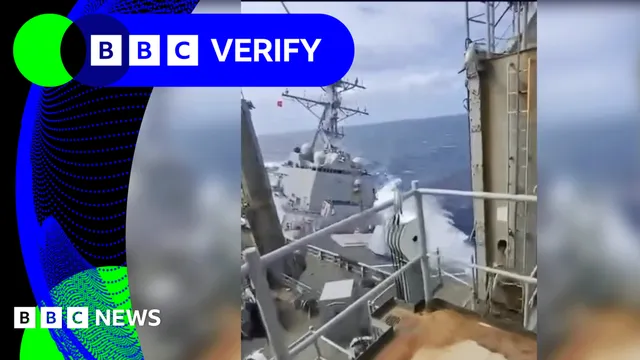
  • Verified videos confirm that two US Navy ships collided in the Caribbean Sea on February 11, 2026.
  • Discussions ensue regarding the implications of such incidents for naval safety and operational practices.
  • The event raises questions about future military readiness and safety protocols in international waters.
Share your opinion
1

Story

On February 11, 2026, verified footage surfaced showing a notable incident involving a collision between two US Navy ships in the Caribbean Sea. The videos confirm the event, drawing attention from various media outlets and prompting discussions about naval safety and maritime operations. Such incidents are particularly significant due to the potential risks associated with naval collisions, which can lead to severe consequences, including loss of life, environmental damage, and geopolitical ramifications. The US Navy routinely operates in international waters, conducting various exercises and missions. The increased military presence in regions like the Caribbean raises concerns about safety protocols and adherence to navigational regulations among naval forces. The incident has triggered inquiries regarding how such a collision could have occurred, especially in a highly regulated maritime environment. Experts suggest that meticulous investigation into the cause of this collision is essential to prevent future occurrences. It also opens the floor to broader discussions on military readiness and decision-making protocols under similar incidents. As the US Navy undertakes various strategic maneuvers, the importance of safe navigational practices will be under scrutiny, possibly affecting future operational tactics in the region. In this context, the collision not only highlights the vulnerabilities within naval operations but also speaks to the ongoing discussions among military and government officials regarding maritime safety policies. Attention will likely focus on the implications for US naval strategy as well as international maritime law, with consequences that may resonate beyond just this particular event.

Context

Naval collisions, often resulting from factors such as human error, navigational challenges, and geopolitical tensions, significantly impact international relations. These incidents pose risks not only to the safety of personnel and vessels but also to broader diplomatic ties among nations. When naval forces of different countries encounter each other on the open seas, especially in contested regions, the risk of accidental collisions increases. Such events can provoke military responses or lead to heightened tensions, which may escalate into more serious diplomatic crises. The repercussions of naval collisions are often felt immediately and can lead to a cascade of political fallout. For instance, nations may blame each other for the incident, which can exacerbate existing tensions or rivalries. This blame game can hinder diplomatic communications and lead to calls for military readiness or an increase in naval deployments. Furthermore, the economic consequences of naval collisions can strain relations. When a naval vessel is damaged, it may disrupt trade routes and affect the economies of involved nations, leading to further discord and complicating negotiations. In addition, naval collisions have the potential to affect international maritime laws and agreements. Each incident should ideally prompt a review and strengthening of safety protocols and communications between navies to prevent future occurrences. However, if nations perceive that their sovereignty is under threat as a result of these incidents, they may advocate for more aggressive military policies or greater control over maritime areas, which can lead to conflicts over threats to national security and maritime rights. The ensuing disputes can impact global trade and international partnerships. Moreover, the international community’s reaction to naval collisions plays a crucial role in shaping diplomatic relations. Multilateral organizations may intervene to mediate tensions, promote dialogue, or develop frameworks for collaborative maritime safety practices. Additionally, public perception and media coverage of naval collisions can influence national narratives, often swaying public opinion against perceived aggressors or calling for stronger national defense policies. The aftermath of such incidents thus reflects the delicate balance of power and the interconnectedness of international relations in an increasingly militarized maritime environment.

2026 All rights reserved
