

U.S. military retaliates with airstrikes against Islamic State in Syria
U.S. military retaliates with airstrikes against Islamic State in Syria
- The U.S. military conducted a series of airstrikes against Islamic State targets in Syria.
- This action was taken in retaliation for a December ambush that killed two U.S. soldiers and a civilian interpreter.
- The military campaign aims to disrupt Islamic State operations and has resulted in numerous casualties among their ranks.
Story
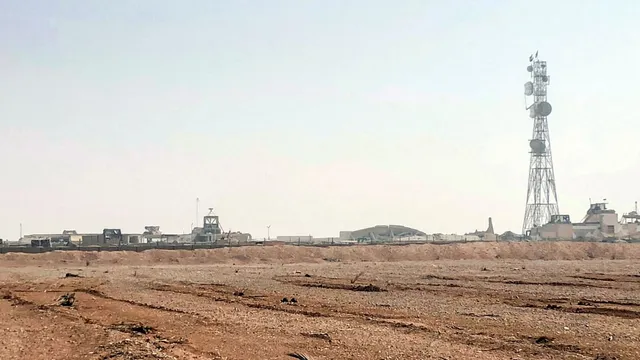
In recent developments, the U.S. military executed a series of airstrikes in Syria targeting Islamic State installations. This offensive was a direct response to a December ambush that resulted in the deaths of two U.S. soldiers, Sgt. Edgar Brian Torres-Tovar and Sgt. William Nathaniel Howard, as well as an American civilian interpreter, Ayad Mansoor Sakat. The strikes took place between February 3 and Thursday, spanning several days, during which American aircraft targeted over 30 Islamic State sites, successfully striking weapons storage facilities and various critical infrastructures used by the group. Reports indicate that at least 50 members of the extremist group have either been killed or captured as a result of these operations. Since the initiation of U.S. airstrikes following the December ambush, more than 100 Islamic State targets have been hit as part of an ongoing military campaign aimed at severely diminishing the group’s operational capabilities in the regions of Syria and Iraq. Additionally, the Syrian Defense Ministry reported that government forces have regained control of a critical military base in the eastern part of Syria, which had previously been under U.S. military management for several years in the campaign against the Islamic State. The base, known as Al-Tanf, was strategically important during the period when Islamic State declared a caliphate over large swathes of territory across both Syria and Iraq in 2014. This transfer of control signifies a potential shift in the dynamics of power in the region, showcasing the decreasing presence of U.S. forces. Moreover, on February 14, the U.S. military completed the transfer of thousands of Islamic State detainees from Syria to Iraq, where they are anticipated to face trial. This move was executed at the request of the Iraqi government and is viewed positively by the U.S.-led coalition forces involved in the decades-long fight against the Islamic State. These developments illustrate both the intensifying military actions against Islamic State targets and the shifting fortunes of U.S. influence in the region. As operations continue, it is vital to observe the effects on the operational capabilities of the Islamic State and how the political landscape in Syria may evolve moving forward.


