

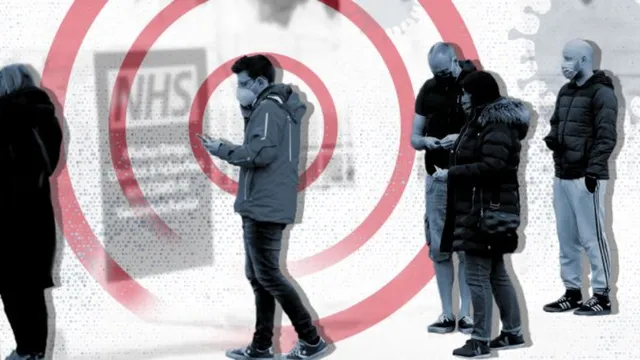
Covid inquiry reveals missed opportunities that cost lives
Covid inquiry reveals missed opportunities that cost lives
- The UK Covid inquiry's findings reveal significant failures in the government's handling of the pandemic.
- Boris Johnson's leadership style undermined effective decision-making and contributed to a chaotic environment.
- An earlier lockdown could have saved thousands of lives, underscoring the need for timely action in public health crises.
Story
In October 2023, a report from the UK Covid inquiry presented findings on the government's handling of the pandemic, focusing on the leadership of former Prime Minister Boris Johnson. The report highlighted serious shortcomings, including a chaotic operation within Downing Street, where Johnson was described by his advisers as weak and indecisive. This chaos is said to have hampered the government's ability to confront the crisis effectively and to take necessary actions in a timely manner. Notably, the inquiry revealed that an earlier lockdown could have substantially reduced the death toll, estimating a saving of approximately 23,000 lives from the first wave in England. The inquiry's chair, Baroness Hallett, characterized the culture of the government as "toxic and chaotic," impacting the overall quality of advice and decision-making during the crisis. The report criticized the leadership for taking too long to recognize the severity of the threat posed by the virus. The inquiry emphasized that if the UK government had recognized the urgency of the situation earlier and implemented voluntary measures like social distancing or isolating symptomatic individuals, a mandatory lockdown could possibly have been avoided altogether. Additionally, the inquiry pointed to systemic failures in the relationship between Johnson's government and devolved administrations in Scotland, Wales, and Northern Ireland. Trust issues within the government were highlighted as a significant barrier to effective collaboration and swift decision-making. These failures were compounded by miscommunication and a lack of critical planning for a potential lockdown, which hindered the nation's readiness as cases began to surge. As a result of these failures, ministers faced growing public scrutiny and dissatisfaction, raising questions about accountability and the integrity of government decisions. The report also examined the role of scientific advisors, who felt their warnings were inadequately heeded as the pandemic unfolded. Their recommendations for an earlier intervention were ignored or downplayed, ultimately leading to a series of preventable fatalities and long-term societal repercussions. The conclusions drawn by the inquiry serve as a stark reminder of the importance of decisive leadership and the need for a well-prepared response during public health emergencies. Addressing these findings, the inquiry calls for immediate implementation of reforms to ensure that lessons are learned to prevent similar mistakes in future crisis management.
Context
The UK government's response to the Covid-19 pandemic has been a subject of intense scrutiny and debate. Initially, the government adopted a strategy of herd immunity, allowing the virus to spread while potentially minimizing transmission and protecting healthcare capacity. However, as cases surged and the healthcare system faced unprecedented strain, the government shifted its approach. This included implementing nationwide lockdowns, mandating social distancing, promoting mask-wearing, and extensive public health messaging about hand hygiene and self-isolation, which collectively aimed to reduce virus transmission. These early responses were met with mixed public reactions and criticism regarding their timeliness and effectiveness. The government's reliance on scientific advice raised questions about transparency and accountability, especially as the reality of the situation evolved and new variants emerged. The 'Eat Out to Help Out' initiative, aimed at reviving the economy, was also criticized for potentially facilitating the spread of the virus during its implementation in the summer of 2020. As the pandemic progressed, the UK government focused on expanding testing capabilities and contact tracing, which were critical in managing outbreaks. These efforts included setting up mass testing centers and the use of technology, such as the NHS Test and Trace app, aimed at informing individuals who may have been in contact with infected persons. Despite initial challenges, the rollout of vaccines in late 2020 and early 2021 marked a turning point in the UK’s strategy. The government's swift procurement of vaccines and ambitious vaccination campaign led to a significant percentage of the population being vaccinated by mid-2021. However, new variants, such as Delta and Omicron, posed ongoing challenges, necessitating booster vaccinations and continued public health measures to mitigate outbreaks. Economic recovery has been another focal point of the government's response. Financial assistance programs were initiated to support individuals and businesses affected by lockdowns. The furlough scheme, which subsidized wages for employees unable to work, was particularly crucial in preventing mass unemployment during the height of the pandemic. However, the economic implications of the government's decisions raise questions about the long-term fiscal health of the UK, especially given the substantial public spending that was necessary to support these initiatives. Political ramifications also emerged, with various parties criticizing the government for perceived failings in handling the crisis, leading to calls for inquiries and accountability. In summary, the UK government's response to Covid-19 has been marked by significant policy shifts, driven by evolving scientific understanding and public pressure. The challenges of initial strategies, the rapid vaccine rollout, and the subsequent economic recovery efforts illustrate a complex interplay of public health, economic stability, and social responsibility. The ongoing implications of these decisions will likely be analyzed and debated for years to come, as the nation reflects on both the successes and failures of its approach to one of the most significant global crises in recent history.


