

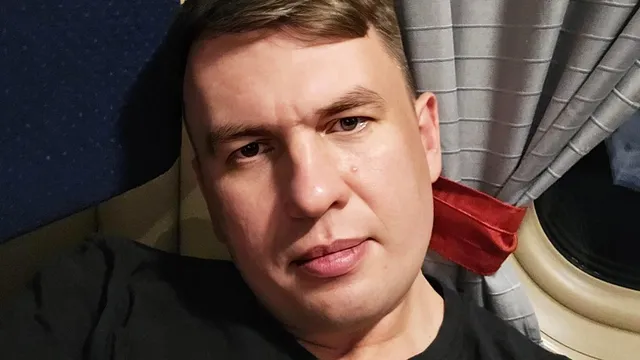
Russian blogger Ilya Remeslo denounces Putin and ends up in a psychiatric hospital
Russian blogger Ilya Remeslo denounces Putin and ends up in a psychiatric hospital
- Ilya Remeslo, a former pro-Kremlin supporter, criticized Putin in a viral post about the Ukraine war.
- Remeslo's post claimed Putin is not a legitimate president and must resign or face trial.
- Following his denunciation on March 17, Remeslo was reportedly admitted to a psychiatric facility.
Story
In Russia, on March 17, 2026, Ilya Remeslo, a pro-Kremlin figure known for his vocal support of the government, made headlines by publicly denouncing President Vladimir Putin. In a social media post to his 90,000 Telegram followers, Remeslo outlined five reasons for his change of heart, criticizing Putin's handling of the ongoing war in Ukraine and accusing him of prosecuting a 'failing war' that has harmed Russia's economy and the well-being of its citizens. He stated, 'Vladimir Putin is not a legitimate president' and called for his resignation and trial as a war criminal. The sudden shift in Remeslo's stance shocked both supporters and critics of the Kremlin, as he had previously made a career targeting opponents of Putin, including prominent opposition leader Aleksei Navalny. Following his denunciation of Putin, reports emerged on March 19 that Remeslo had been admitted to a psychiatric hospital in St. Petersburg. Speculation arose concerning the grounds for his hospitalization, with some political analysts suggesting it could be an attempt to evade a potential criminal investigation against him. Before this series of events, Remeslo had gained notoriety for defending the Kremlin's policies and vilifying opponents, especially Navalny. He was particularly vocal in 2021 during Navalny's return to Russia and subsequent arrest, describing the opposition leader's Anti-Corruption Foundation as an 'extremist organization.' Remeslo's abrupt change of perspective was considered unprecedented, leaving many wondering about the implications for his safety and future. As the Kremlin faced growing pressure regarding the ongoing conflict in Ukraine, the situation surrounding Remeslo highlight the fragile nature of loyalty within Russia's political landscape. His actions have raised questions about dissent and the repercussions one might face in a country where government criticism is often met with severe consequences. Commentators such as Leonid Volkov, a former adviser to Navalny now in exile, noted the remarkable nature of Remeslo's declaration, remarking that it was the 'most amazing mid-air flip' they had ever seen. People are left to ponder what his denouncement signals for the Kremlin's grip on power in a climate of rising discontent among the populace.
Context
The impact of Ilya Remeslo's statements on Russian politics has been significant, drawing attention to emerging dynamics in Kremlin's power structures and altering public discourse. Ilya Remeslo, a noted political commentator, has articulated views that resonate with a diverse audience, addressing key issues faced by the Russian populace. His discourse has often focused on governmental accountability, civil rights, and the role of youth in shaping the future of the nation. Through his articulate critiques and thought-provoking insights, Remeslo has initiated conversations that challenge the status quo, fostering a climate of political engagement among the citizenry. One aspect of Remeslo's influence has been his ability to mobilize public opinion. By leveraging social media platforms and alternative news outlets, he has tapped into the frustrations and aspirations of younger generations, effectively bridging the gap between traditional politics and the digital landscape. This shift has allowed for a more participatory political environment, where ordinary citizens feel empowered to voice their concerns and demand change. Consequently, Remeslo's statements have not only energized activism but have also pressured various political factions to reassess their strategies and policies in order to remain relevant to a changing demographic landscape. Moreover, the repercussions of Remeslo's rhetoric extend to intra-party dynamics within the Russian political landscape. His critiques of established political figures and policies have led to rifts among traditional powerholders, prompting some to reconsider alliances and tactics. The ideological challenges he presents compel members of the government and opposition alike to articulate more compelling narratives to engage voters. This evolving political discourse reflects a shift towards greater accountability and responsiveness, ultimately reshaping the contours of political dialogue in Russia. In conclusion, Ilya Remeslo's statements have emerged as a catalyst for change in Russian politics, contributing to a more dynamic and responsive political environment. His ability to resonate with the public, especially among younger demographics, has elevated critical political issues and fostered a renewed sense of agency among citizens. By challenging entrenched political norms and encouraging open dialogue, Remeslo's influence helps pave the way for a more engaged and participatory political culture in Russia.


