

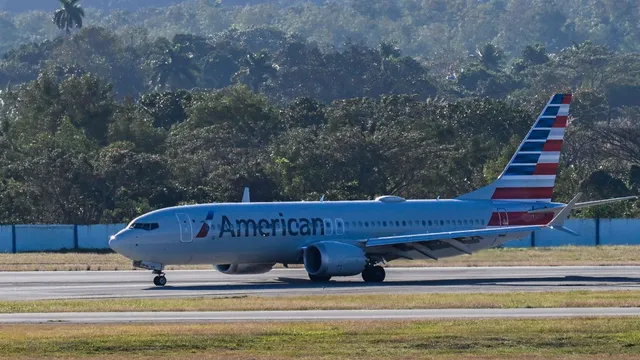
Cuba bans international airlines from refueling due to fuel shortages
Cuba bans international airlines from refueling due to fuel shortages
- Cuba's government has announced a refueling ban for international airlines due to significant fuel shortages affecting multiple airports.
- This crisis resulted from U.S. sanctions against Cuba, greatly limiting its access to oil, especially from Venezuela.
- The situation threatens Cuba's tourism economy and has led to disruptions in transportation and daily life.
Story
Cuba is currently facing a severe fuel shortage that has led to its government prohibiting international airlines from refueling at the island's airports. This decision, announced on a Monday, is expected to remain in effect for at least a month and affects all of Cuba's international airports. Reports indicate that the shortage is largely due to the U.S. sanctions imposed by the Trump administration, which targeted Cuba's primary fuel source from Venezuela. The sanctions were intensified following the ousting of Nicolás Maduro and have disrupted Cuba's access to oil resources, leading to anticipated fuel issues in the country. As a result, airlines are struggling, and flights may be redirected to locations like Cancun, Mexico, or the Dominican Republic to ensure they have adequate fuel. The situation has already prompted Air Canada to suspend its flights to Cuba. The fuel crisis also extends beyond aviation, impacting other sectors in Cuba as well. The government has reduced bank hours, suspended cultural events, and is facing challenges in public transportation, demonstrating a deepening economic crisis. Local citizens have been directly affected, with many experiencing prolonged power outages and long lines for fuel. The situation in Cuba is reminiscent of the economic hardships faced during the Special Period in the 1990s, following the end of Soviet support. As the government grapples with these crises, President Miguel Díaz-Canel has warned that while engagement with the U.S. is a possibility, surrender is not an option for Cuba. The significant strain on resources is expected to have lasting implications for Cuba's economy, particularly its vital tourism sector, which had previously been a key revenue source.
Context
Cuba is currently facing a severe fuel shortage that has significant implications for its economy, transportation, and overall daily life of its citizens. The root causes of this crisis include a combination of external pressures, such as tightened sanctions from the United States and limited access to international oil markets, coupled with internal inefficiencies within the state-managed oil industry. The Cuban government has historically relied on imports to meet its energy needs, primarily from Venezuela, whose own economic collapse has hindered oil supply. This situation has been exacerbated by fluctuating global oil prices, which have made it increasingly difficult for the Cuban economy to sustain its energy demands. The effects of the fuel shortage are profound and multifaceted, impacting various sectors of the economy. Transportation, which is crucial for both trade and the movement of people, has been severely disrupted. Public transportation systems have suffered from an inability to operate on regular schedules, leading to increased wait times and hardships for daily commuters. Additionally, agricultural production has been compromised, as farmers struggle to power machinery necessary for planting and harvesting crops. Consequently, food security is at risk, contributing to rising prices and scarcity of essential goods, further straining the population. Beyond economic implications, the fuel crisis has significant social ramifications. Citizens are often forced to wait in long lines for limited fuel supplies, and the sense of frustration and instability has led to public discontent. Additionally, the government's inability to provide stable access to fuel has garnered criticism, as it raises questions about governance and the state’s capacity to respond to the needs of its people. This unrest could lead to broader social movements as Cubans demand better living conditions, which are increasingly threatened by the persistent fuel crisis. In conclusion, the fuel shortage in Cuba has far-reaching implications for the nation’s economy, infrastructure, and societal stability. The combination of international sanctions, reduced supplies from key partners like Venezuela, and local mismanagement has created a precarious situation for the island's inhabitants. Moving forward, addressing these challenges will require strategic planning and cooperation both domestically and internationally to stabilize energy supplies, revive the economy, and restore public trust.


