

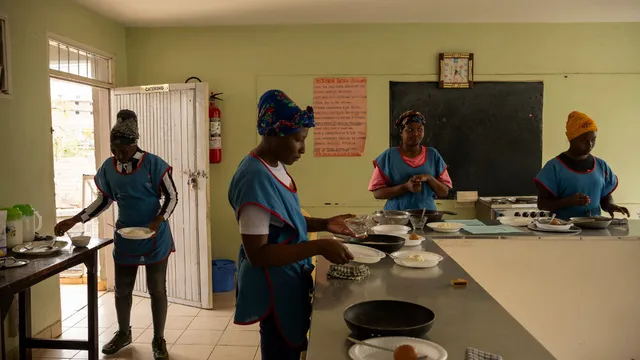
Kenya aims to export a million workers annually amid abuse allegations
Kenya aims to export a million workers annually amid abuse allegations
- Kenya's government is focusing on labor exports as its new primary economic driver, particularly sending workers to Saudi Arabia.
- Numerous reports have highlighted the abuse faced by Kenyan workers overseas, prompting calls for better protections.
- The government's commitment to doubling labor exports raises concerns about the safety and rights of migrant workers.
Story
In recent years, Kenya has shifted from coffee as its primary export to labor exports, with a focus on sending workers to countries like Saudi Arabia. The Kenyan government under President William Ruto aims to send a million laborers abroad each year, which is more than double the current rate, to drive economic growth by increasing remittances from overseas workers. However, this push raises significant concerns regarding the treatment of Kenyan workers abroad, who often face abuse and harsh working conditions, particularly in Saudi Arabia. There have been ongoing reports from human rights groups and media about the maltreatment of Kenyan workers employed as domestic laborers in these countries, highlighting a grim reality for many women sent abroad. The training and preparation for these overseas jobs have been insufficient, as reported by several watchdog organizations, raising alarms over the safety and wellbeing of the individuals being sent. Historically, Kenyan workers are paid significantly less than their Filipino counterparts, with a household worker earning around 40% less in Saudi Arabia. This economic disparity, coupled with lowering of training requirements to save costs for staffing companies, has led to heightened vulnerability for workers, as the government has favored quantity of labor exported over quality and protective measures. Moreover, accusations of corruption have surrounded the staffing industry as many labor export companies are owned by individuals with political ties, including some within the government, complicating efforts to implement better worker protections. Legislative attempts to enhance training requirements and penalties for non-compliance have faced resistance. Industry lobbyists have claimed that government officials benefit from maintaining the status quo, which further enforces the cycle of abuse. The situation raises serious ethical questions regarding Kenya's labor export strategy, prompting debates within parliament about reforms needed to protect migrants. Despite these challenges, the Kenyan government's strategy focuses on sending more individuals abroad quickly and with less preparation. This has sparked conversations about the government's role in ensuring safe working conditions and the need for stronger international agreements that prioritize the safety and rights of workers sent overseas. The evolving situation poses critical questions about the balance between economic growth through labor exports and the human cost associated with it.


