
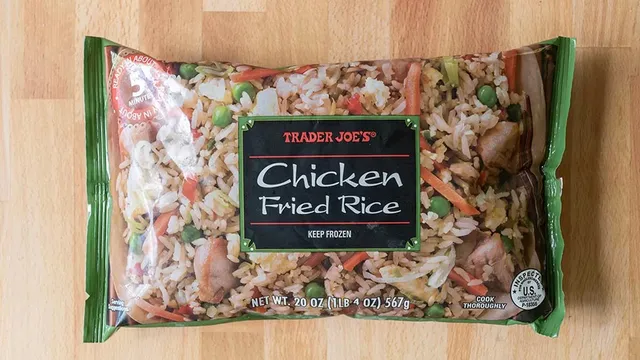
Trader Joe's food recall hits three million pounds after glass contamination found
- Ajinomoto Foods North America Inc. recalled nearly 3.4 million pounds of frozen chicken fried rice products due to potential glass contamination.
- Complaints from four consumers prompted the recall, but no injuries have been reported.
- Consumers are advised to avoid eating the product and either discard or return it for a refund.
Story
In February 2026, nearly 3.4 million pounds of frozen chicken fried rice products were recalled by Ajinomoto Foods North America Inc., a company based in Portland, Oregon. This significant recall was initiated due to potential glass contamination in the products, which raised concerns about consumer safety. The primary product affected by the recall was the Trader Joe's Chicken Fried Rice, a frozen item that includes fried rice, vegetables, chicken, and eggs, which had been sold at stores across the United States and Canada. The recalled packages featured best-by dates ranging from September 8 to November 17, 2026, and contained the establishment number P-18356 within the USDA mark of inspection. Along with Trader Joe's frozen product, the recall also included a specific shipment of ajinomoto Yakitori Chicken with Japanese-Style Rice, which was only sold in Canada and had best-by dates from September 9 to November 12, 2026. The issue came to light after four consumers reported finding glass pieces in the food products, prompting the company to take action to ensure consumer safety. It is important to note that no injuries related to this contamination have been reported, reducing the immediate alarm for consumers. Ajinomoto Foods North America Inc. has encouraged affected consumers to avoid consuming the recalled products and instead either discard them or return them to the point of purchase for a refund. This recall underlines the necessity for food safety measures and the importance of prompt consumer reporting when issues arise with food products. The wide distribution of the recalled products also illustrates the potential scale of food contamination incidents, which can involve large quantities and affect numerous consumers across different regions. Thus, this recall showcases not only the responsiveness of Ajinomoto Foods North America Inc. in addressing the problem but also highlights the vigilance that consumers must maintain regarding food safety. Moving forward, the recall stresses the need for food manufacturers and regulatory bodies to establish rigorous checks to prevent contamination incidents like this. Consumers are advised to remain aware of the products they purchase and to report any concerns to the appropriate authorities to ensure that similar incidents do not occur in the future.
Context
Food safety regulations are essential frameworks governing the production, processing, distribution, and sale of food to ensure public health. In the United States, food safety is primarily managed by the Food and Drug Administration (FDA) and the United States Department of Agriculture (USDA). These agencies enforce standards and regulations to mitigate risks associated with foodborne illnesses, including guidelines for proper food handling, cooking temperatures, and hygiene practices. The FDA oversees the safety of all food products except for meat, poultry, and certain egg products, which fall under the USDA's jurisdiction. The regulatory process includes routine inspections, compliance checks, and the implementation of the Food Safety Modernization Act (FSMA), which emphasizes preventive measures in food safety management. The FSMA represents a significant shift in federal food safety regulations, focusing on proactive strategies rather than reactive responses to contamination incidents.
