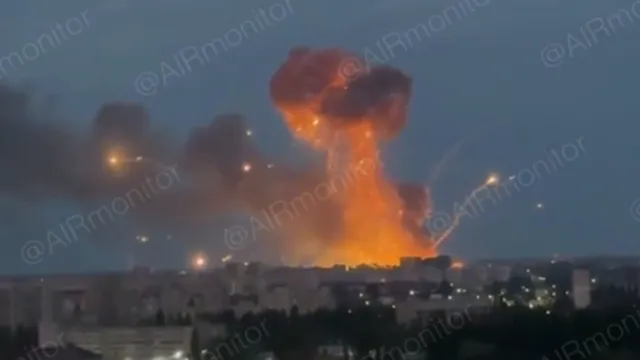
The impact of drone warfare on civilian infrastructure in Ukraine and Russia has become a critical area of study, particularly in light of the ongoing conflict that escalated in 2022. Drones have been increasingly utilized as a strategic tool in modern warfare, offering both tactical advantages and significant risks to civilian populations. The use of drones in Ukraine has led to extensive damage to infrastructure, including residential buildings, hospitals, schools, and essential services such as water and electricity supply. This has not only resulted in immediate casualties but has also long-term implications for the affected communities, exacerbating humanitarian crises and displacing populations. The precision of drone strikes, often touted as a benefit, has not always translated into minimized civilian harm, as miscalculations and intelligence failures can lead to devastating consequences for non-combatants.
In Russia, the response to drone warfare has also been significant, with the government implementing measures to protect critical infrastructure from drone attacks. This includes enhancing air defense systems and increasing surveillance to detect and neutralize threats before they can cause damage. However, the psychological impact of drone warfare on civilians cannot be understated. The constant threat of drone strikes creates an atmosphere of fear and uncertainty, affecting daily life and mental health. Furthermore, the destruction of infrastructure has economic repercussions, hindering recovery efforts and limiting access to basic services. The long-term effects on the economy can be profound, as rebuilding efforts require substantial resources and time, which may not be readily available in the context of ongoing conflict.
The international community has also taken notice of the implications of drone warfare on civilian infrastructure. Humanitarian organizations are increasingly calling for regulations and guidelines to govern the use of drones in conflict zones, emphasizing the need to protect civilian lives and infrastructure. The challenge lies in balancing military objectives with humanitarian considerations, as the use of drones continues to evolve. The potential for drones to be used in targeted strikes raises ethical questions about accountability and the responsibility of states to minimize harm to civilians. As drone technology becomes more accessible, the risk of its misuse in conflicts may increase, necessitating a robust international framework to address these challenges.
In conclusion, the impact of drone warfare on civilian infrastructure in Ukraine and Russia highlights the urgent need for comprehensive strategies to mitigate harm to non-combatants. The destruction of essential services and the psychological toll on affected populations underscore the importance of prioritizing civilian safety in military operations. As the conflict continues, it is imperative for both national and international actors to engage in dialogue and develop policies that protect civilians while addressing the complexities of modern warfare. The lessons learned from the ongoing situation in Ukraine and Russia may serve as a critical reference for future conflicts, emphasizing the need for a more humane approach to warfare in the age of drones.