

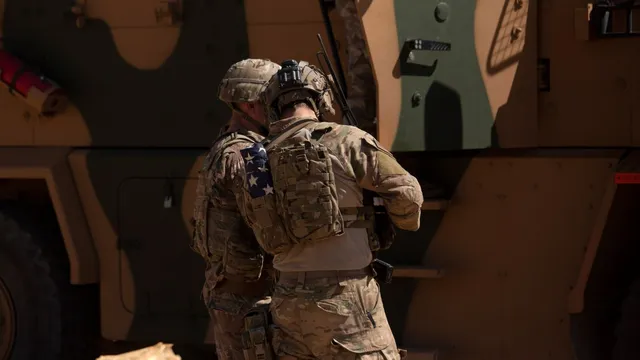
U.S. prepares to withdraw all troops from Syria
U.S. prepares to withdraw all troops from Syria
- A senior U.S. official announced the withdrawal of the remaining 1,000 troops from Syria, expected to occur in the next two months.
- The withdrawal decision follows the collapse of the Assad government and the emergence of President Ahmed al-Sharaa as the new leader.
- This change could indicate a shift in counter-terrorism responsibilities from the U.S. to the Syrian government, with ongoing coordination between forces.
Story
The United States is planning to withdraw its remaining 1,000 troops from Syria, a decision announced by a senior U.S. official. This withdrawal is expected to occur over the next two months. The context of this development arises from the collapse of the Assad government, which occurred in late 2024. Following this event, the Trump administration has engaged in discussions with the new Syrian leader, President Ahmed al-Sharaa, a former rebel who distanced himself from Al-Qaeda. This engagement includes a plan to integrate the Syrian Democratic Forces (SDF) into the country's armed forces, indicating a significant shift in the security landscape in Syria. The decision to withdraw U.S. forces reflects a changing approach to counter-terrorism responsibility, with a potential transfer of this role from the U.S. to the new Syrian government led by al-Sharaa. In decentralizing U.S. military presence, the administration stated that they still have the capability to respond to any threats from ISIS through other personnel and partner-led efforts. It is important to note that the U.S. has experienced casualties, including the deaths of two Iowa National Guard members and a translator due to an ambush by an ISIS gunman in Palmyra, Syria, which underscored the dangers of this environment. Following the ambush, the Trump administration launched a series of retaliatory strikes on ISIS targets under Operation Hawkeye Strike, which led to Defense Secretary James Mattis resigning from his position. The future operational capabilities of the U.S. forces in the region will ultimately depend heavily on the evolving conditions on the ground and the coordination with local and regional partners to prevent a resurgence of ISIS. The leadership of President Trump emphasizes stabilizing Syria as vital for the peace and security of the region, reflecting a strategic vision for a peaceful Middle East. As this situation unfolds, further updates regarding the status of U.S. troops and the conditions that may affect their withdrawal are expected soon.
Context
policy trends insight market policy insight shift trends market strategic policy policy data shift data geopolitical shift insight global data impact analysis analysis economic trends shift insight market geopolitical economic shift analysis economic data impact trends trends market global data insight insight geopolitical impact analysis geopolitical economic analysis economic analysis market shift shift global data global market insight geopolitical strategic impact strategic shift policy market global global strategic market trends data insight geopolitical trends economic economic economic data strategic strategic...


