

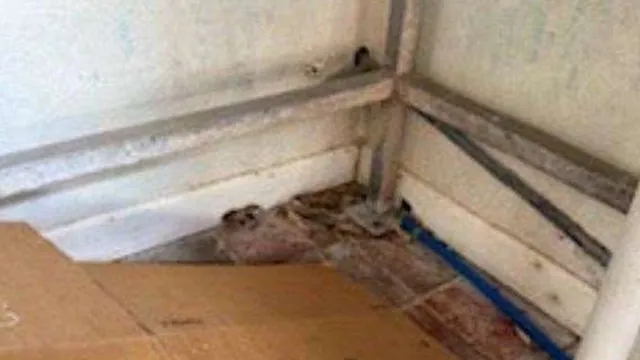
Royal Native Oyster Stores plummets to two-star hygiene rating over serious issues
Royal Native Oyster Stores plummets to two-star hygiene rating over serious issues
- The Royal Native Oyster Stores in Whitstable has been downgraded from a five-star hygiene rating to two stars following an inspection.
- Concerns raised by the inspector included improper food waste storage, lack of formal food safety training among chefs, and multiple cleanliness issues.
- The downgrade signals significant consequences for the restaurant's reputation and highlights the importance of maintaining strict hygiene standards in the food industry.
Story
In a concerning development for food safety, the Royal Native Oyster Stores in Whitstable, England, lost its prestigious five-star hygiene rating following an inspection by Canterbury City Council. The significant downgrade to a two-star rating was triggered during a September inspection, where environmental health inspectors uncovered multiple critical health and cleanliness issues within the kitchen of the restaurant, which has historically played a significant role in the town's tourism and culinary reputation. Among the problems discovered were flies in food preparation areas, a foul-smelling bucket of discarded fish improperly stored directly outside the premises, and a concerning lack of evidence indicating that chefs received formal training in food safety practices. Aside from pest issues, the cleanliness of various kitchen areas was found to be alarmingly inadequate. Filth and food debris were noted in the potato chipping room, within cutlery trays, and around machinery, including a crushed ice machine that showed clear signs of disrepair. The inspector's report highlighted the need for a thorough deep clean throughout the establishment, with specific instructions on how to improve hygiene standards. Multiple areas suffered from structural problems, including missing ceiling sections and damaged walls, adding further complications to compliance with health regulations and standards. It became apparent that the restaurant's management needed to take immediate corrective action to not only address the immediate concerns raised in the report but also to prevent future incidents that could jeopardize both patron safety and the establishment's reputation. Given the restaurant's history as a Michelin Guide member, these findings were particularly damaging, with implications for customer trust and business viability in the highly competitive culinary landscape. The incident has sparked discussions about the importance of maintaining rigorous hygiene standards in restaurants, especially those recognized for excellence. It raises questions about the adequacy of food safety training provided to staff and the systems in place to ensure compliance with health regulations, drawing attention to the critical need for regular inspections and accountability in the culinary industry. Without significant improvements and renewed commitments to safety protocols, the Royal Native Oyster Stores may struggle to regain its former status and public confidence in the years to come.


