

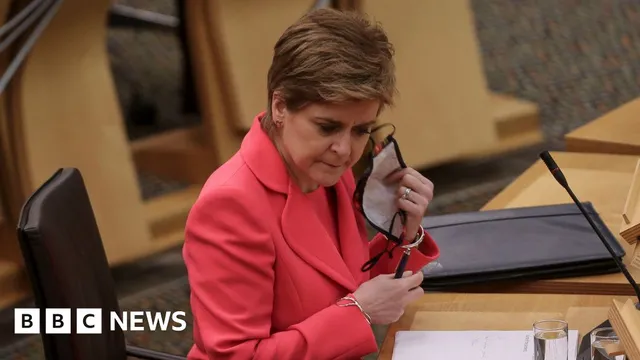
Inquiry reveals 23,000 lives could have been saved with earlier lockdown
Inquiry reveals 23,000 lives could have been saved with earlier lockdown
- The UK Covid-19 Inquiry revealed that decision-making during the pandemic was often delayed and chaotic, leading to thousands of unnecessary deaths.
- The report specifically concluded that if a lockdown had been imposed one week earlier, 23,000 lives could have been saved.
- As a result of these findings, there are increasing calls for political accountability and improved preparedness for future health emergencies.
Story
The UK Covid-19 Inquiry's report critically evaluated the government's response to the Covid-19 pandemic, emphasizing deficiencies across the four UK nations. The inquiry determined that decisions were frequently delayed, resulting in a lack of timely actions which eventually led to increased deaths and prolonged public health measures. The report specifically highlighted that 23,000 lives could have been saved had proactive measures, like an early lockdown, been implemented just one week sooner. Additionally, the inquiry criticized the chaotic nature of decision-making, particularly in Northern Ireland, where political disputes hindered effective governance during a national crisis. The inquiry under Baroness Heather Hallett scrutinized the actions of key political figures, including former Prime Minister Boris Johnson, who was accused of indecisiveness that negatively impacted the pandemic response. It was observed that during critical phases of the crisis, the government relied heavily on a small group of ministers and did not adequately involve wider cabinet discussions, eroding transparency and undermining collective decision-making. This exclusivity was condemned as fostering a 'toxic and chaotic culture' within the government that further complicated the management of the pandemic. Furthermore, the report revealed that there were significant organizational and structural failures, with a lack of clarity regarding the roles of the various devolved governments. The inquiry suggested that reliance on shared decision-making across different political entities should have been prioritized to foster trust and a more unified national response. Moreover, scientific advice given at the initial stages contributed to a wrong approach concerning restrictions, showcasing a failure to learn from early observations about the virus. In response to the findings of the inquiry, public outcry grew among bereaved families who demanded accountability from the government's past leaders. Many voiced that the indecisiveness and poor planning led to unnecessary suffering and loss of life. The inquiry was a critical move towards ensuring that lessons are learned to prevent such catastrophic failures in future health crises, emphasizing the urgent need for governmental preparedness and better communication among political leaders during emergencies.
Context
The UK Covid-19 Inquiry has gathered comprehensive evidence and insights regarding the response to the pandemic, focusing on a range of factors that influenced decision-making and public health outcomes. This inquiry highlights the key strategies implemented by the UK government, the challenges faced, and the lessons learned throughout the crisis. The report underscores the importance of timely and effective communication, as well as the need for transparent decision-making processes that consider the advice from health experts and the scientific community. It emphasizes that a coordinated response across all governmental levels was crucial in managing the spread of the virus and protecting public health. The findings of the inquiry reveal several areas where the response could have been improved. For example, the early stages of the pandemic were marked by delays in implementing lockdown measures, which likely exacerbated the spread of the virus. Additionally, the availability and distribution of personal protective equipment (PPE) for healthcare workers came under scrutiny, indicating that supply chain management and stockpiling practices need to be enhanced for future public health emergencies. These lessons underscore the necessity of having robust emergency preparedness plans in place to respond swiftly and effectively to health crises. Another significant aspect of the inquiry's findings pertains to the socio-economic disparities that were highlighted during the pandemic. Vulnerable populations faced higher risks and worse outcomes, raising important questions about health equity and social determinants of health. The report advocates for future policies that prioritize support for these communities to minimize the impact of any similar events in the future. It calls for an integrated approach that combines health and social services to address the root causes of health inequalities. In conclusion, the UK Covid-19 Inquiry serves as a crucial reflection on the operational and strategic aspects of dealing with a global pandemic. The insights gained from this inquiry should inform future preparedness strategies and public health frameworks. Ultimately, it is a call to action for policymakers, public health officials, and society as a whole to enhance resilience against future outbreaks, learning from both successes and shortcomings experienced during the Covid-19 pandemic.


