

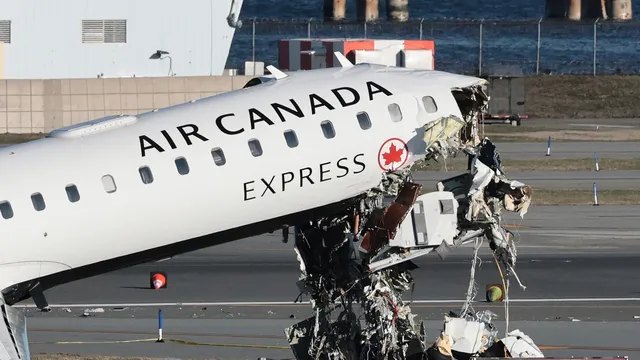
LaGuardia controllers may have breached safety protocols on night of collision
LaGuardia controllers may have breached safety protocols on night of collision
- The Air Canada jet crash at LaGuardia on January 26, 2026, resulted in critical safety violations.
- Controllers were combining local and ground duties despite established procedures prohibiting this before midnight.
- The incident underscores the importance of strict adherence to air traffic safety protocols to avoid future accidents.
Story
In the United States, on the night of January 26, 2026, an Air Canada jet collided with a fire truck at LaGuardia Airport around 11:37 p.m. Following this incident, an investigation revealed that air traffic controller staffing may have violated established procedures. Reports indicate that controller roles were combined before midnight, contravening LaGuardia Tower's Standard Operating Procedures. These procedures, in place since 1997, require that local and ground controller positions remain separate until after midnight or 90 minutes into a shift, whichever is later. On the night of the crash, the local air traffic controller was reportedly managing both runway and ground traffic, despite traffic volume being significantly higher than usual due to weather-related delays, with 70 flights operating during that time frame. NTSB Chair Jennifer Homendy stated that there were two controllers on duty in the glass-enclosed tower section during the incident. One controller managed active runways while another, designated as the controller-in-charge, provided pilots with departure clearance. However, it remains unclear who was assigned the ground controller's duties. Numerous current and former air traffic controllers have speculated that the local controller managing the runways took on additional ground responsibilities, which is inconsistent with standard procedures. Following the crash, the NTSB is expected to conduct a thorough investigation to assess contributing factors, as air crash investigations often find multiple causes behind accidents. The Federal Aviation Administration (FAA) has expressed its commitment to supporting investigations conducted by the NTSB and taking necessary measures to ensure safety based on the findings. The accident highlights longstanding staffing shortages, which have forced controllers into combined operational roles amid rising traffic volumes and complexities inherent in managing airport operations. The incident at LaGuardia serves as a reminder of the critical need for adherence to established safety protocols and staffing requirements in air traffic control to mitigate risks and prevent future accidents. Overall, the collision poses important questions regarding the implications of staffing and procedural adherence in air traffic control environments. Industry experts and controllers themselves acknowledge that deviations from established protocols can lead to dangerous situations, especially in high-traffic scenarios. As the NTSB moves forward with its investigation, attention will be given to the findings related to staffing practices, safety compliance, and potential recommendations for better practices moving forward.


