

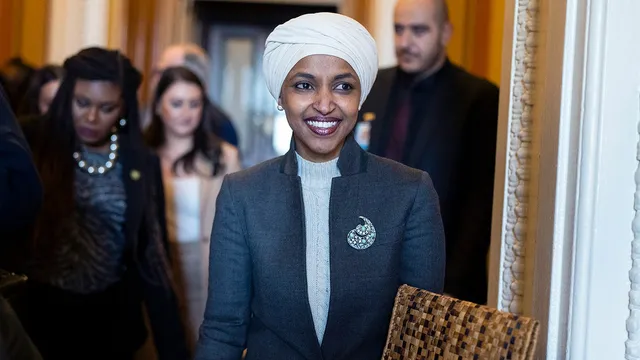
Trump demands investigation into Ilhan Omar's wealth
Trump demands investigation into Ilhan Omar's wealth
- President Trump accused Ilhan Omar of having a net worth exceeding $30 million while serving as a public official.
- Omar's finances are currently under congressional investigation due to significant increases reported in her wealth and business activities.
- The political atmosphere surrounding these allegations suggests a larger narrative of tension between Trump and Omar, with her defending against claims she deems unfounded.
Story
In recent months, the financial activities of U.S. Representative Ilhan Omar, a Minnesota Democrat, have drawn considerable scrutiny. President Donald Trump publicly called for an investigation into Omar's financial status, claiming her wealth exceeds $30 million, an allegation that has raised questions regarding how a politician could amass such wealth while in office. Trump's accusations are set against the backdrop of broader federal investigations into alleged welfare fraud in Minnesota, with additional allegations of fraudulent business practices involving Omar’s husband, Tim Mynett, further compounding the situation. Omar's financial disclosures indicate a dramatic rise in her net worth, particularly due to her husband's ventures, including consulting and investment firms. This spike in wealth has not only attracted Trump's condemnation but has also prompted official reviews by the House Oversight Committee. Despite the allegations, no formal charges have been filed against Omar to date, and she has expressed defiance against Trump's claims, labeling them as politically motivated. She asserts that these investigations have produced no substantial evidence against her over the years. As the potential investigations evolve, they highlight increasing tensions between the Trump administration and Omar, who has previously been an outspoken critic of the President. Omar claims that the multitude of investigations into her finances is part of a larger campaign to discredit her and distract from Trump's own political challenges. She argues that such attacks are rooted in racial and ideological biases, particularly against the Somali-American community she represents. The controversy has escalated, inciting responses from local and federal law enforcement amid ongoing concerns regarding fraud and corruption within welfare programs in Minnesota. As these investigations unfold, they may not only impact Omar's political career but also ignite further debates about accountability and ethics among elected officials in the U.S. Congress. With significant national attention on her case, the interplay between political accusations and actual legal proceedings will be closely scrutinized in the months to come.
Context
Political finance significantly influences ethical standards within governments and institutions, impacting the decision-making processes that affect public welfare and democratic integrity. The role of money in politics has become increasingly prominent, with various stakeholders, including corporations, unions, and individuals, contributing to the financing of political campaigns. This financial backing often creates a potential conflict of interest where elected officials may prioritize the interests of their donors over those of their constituents. Such dynamics can lead to the erosion of public trust and an increased perception of corruption within the political system, raising critical concerns about the ethical implications of political finance. The effects of political finance on ethics can be observed in various dimensions, including regulatory frameworks, transparency, and accountability. In many regions, the lack of stringent regulations surrounding campaign financing allows for unlimited contributions, which can disproportionately benefit wealthy candidates and their agendas. This disparity may diminish the moral obligations politicians have toward all constituents, as significant financial backers may demand favorable treatment or policies in exchange for their support. The call for reforms, such as stricter campaign finance laws, openness in reporting donations, and public funding of elections, seeks to address these ethical challenges and enhance the integrity of democratic processes. Transparency in political financing is vital for maintaining ethical governance. When the sources of political donations are obscured, it undermines voters' ability to make informed decisions. Moreover, the potential for quid pro quo arrangements arises when funders seek to influence legislative outcomes. Establishing robust mechanisms for disclosure ensures that voters are aware of who is financing their politicians and what interests they may represent. Such measures not only deter corrupt practices but also empower civil society to hold public officials accountable, enhancing the overall ethical landscape of political engagement. Ultimately, the intersection of political finance and ethics underscores the necessity for ongoing dialogue and reform to safeguard democratic principles. The persistent challenge lies in balancing the role of money in politics with the ethical obligations of representatives to their constituents. By fostering a political environment centered on accountability and transparency, society can mitigate the adverse effects of financial influence, promote ethical standards in governance, and restore public trust in democratic institutions.


