

Residents warned to stay indoors as air pollution reaches unhealthy levels
Residents warned to stay indoors as air pollution reaches unhealthy levels
- The Environmental Protection Agency issued warnings as fine PM2.5 particles reached unhealthy levels.
- People with existing health conditions are particularly at risk and should stay indoors.
- Both individual and collective actions are needed to tackle the ongoing air quality crisis.
Story
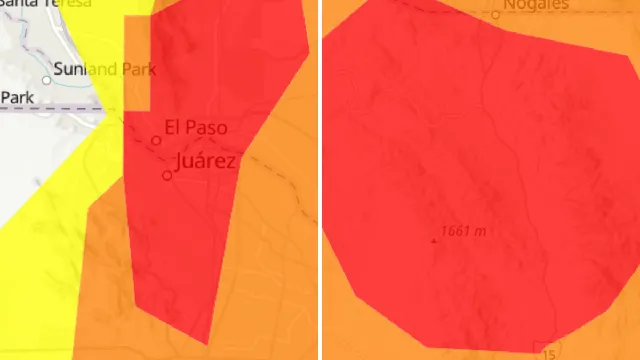
On January 19, 2026, communities across Arizona, New Mexico, and Texas were advised by the Environmental Protection Agency (EPA) to remain indoors due to elevated levels of PM2.5, fine air particles that can significantly impact health. The AQI indicated that PM2.5 levels reached an 'unhealthy' status, prompting warnings for sensitive groups including older adults, children, and individuals with respiratory or cardiovascular conditions. The EPA has yet to determine the specific causes of this pollution spike, which could be attributed to dust from unpaved roads, emissions from vehicles, or industrial activity. In response to deteriorating air quality, the EPA recommended minimizing outdoor activities and suggested that affected residents should also limit additional indoor pollution by avoiding actions that could exacerbate air conditions, like burning candles or using woodstoves. These small PM2.5 particles can travel deep into the lungs and can worsen existing health conditions, leading to serious complications for vulnerable populations. Meanwhile, in Delhi, India, poor air quality has become a significant concern, particularly for informal workers who cannot afford to miss work despite health risks. Many workers face hazardous conditions daily as they are exposed to toxic air and dust while on the job, with minimal options to protect themselves. With an Air Quality Index often reading above 500, Delhi is now recognized as the world's most polluted city, which further highlights the global challenge of air pollution. Efforts to combat air pollution are underway in various regions, but the reality for many remains grim as they strive for economic survival while grappling with health consequences from their polluted environments. In both the United States and India, air quality remains a pressing issue that needs coordinated responses from governments and public health agencies to protect affected populations.


