
politics
impactful
controversial

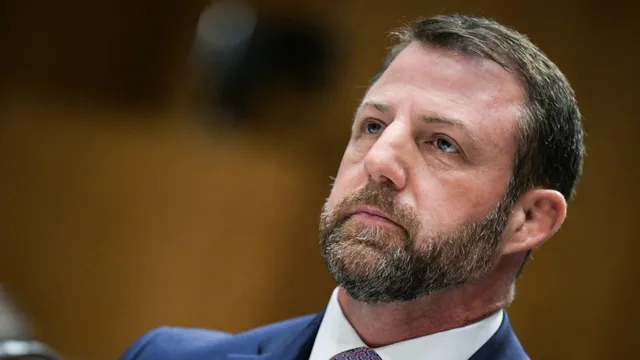
Markwayne Mullin aims for Senate confirmation as DHS secretary

Mar 18, 2026, 1:15 PM70
(Update: Mar 19, 2026, 5:30 PM)
president of the United States from 2017 to 2021
American politician (born 1977)
United States federal department

Markwayne Mullin aims for Senate confirmation as DHS secretary

  • Markwayne Mullin has been nominated by President Donald Trump to lead the Department of Homeland Security.
  • The National Border Patrol Council has expressed strong support for Mullin's nomination.
  • Mullin must be confirmed by the Senate to officially take up the role of DHS secretary.
Share your opinion
7

Story

In Washington, the nomination of Markwayne Mullin as the Secretary of the Department of Homeland Security (DHS) has gained significant attention, particularly following endorsements from the National Border Patrol Council. President Donald Trump announced Mullin's nomination earlier this month, following the dismissal of former Secretary Kristi Noem, who will transition to a role as a special envoy. The National Border Patrol Council, represented by its national president, Paul Perez, expressed strong support for Mullin, urging the Senate Committee on Homeland Security and Governmental Affairs to swiftly move his nomination forward. The committee held a hearing related to Mullin's appointment, which is essential for his confirmation. During the hearing, Mullin articulated his vision for DHS, particularly focusing on the role of Immigration and Customs Enforcement (ICE) and emergency management policies that he views as needing reform. Specifically, he indicated that he intends for ICE to prioritize transport functions and called for collaboration with local authorities, even in sanctuary cities, to achieve better immigration management. Mullin’s statement about not wanting to fund operations tied to everyday immigration enforcement at polling places unless a specific threat exists raised questions among senators regarding the balance of enforcement and community relations. His approach signifies a departure from previous policies, reflecting a commitment to not restrict funding as a primary method of enforcing immigration laws, particularly in diverse urban centers. The confirmation process is crucial not only for Mullin's appointment but also for the direction DHS will take under his leadership, with many watching to see how he addresses the agency's challenges in security measures, immigration policies, and disaster management. As the committee deliberates, the political landscape remains charged, with diverse perspectives on how best to reform and lead the DHS in a changing America.

Context

Markwayne Mullin is a prominent political figure whose confirmation process for a position within the Department of Homeland Security (DHS) has drawn considerable attention. As a member of the U.S. House of Representatives, Mullin has been involved in various legislative initiatives. His nomination represents a critical juncture for the DHS, tasked with addressing complex national security challenges and ensuring the safety of American citizens. The confirmation process involves rigorous scrutiny from committee hearings, background checks, and evaluation of his qualifications and past performance in public service. Mullin's experience and legislative track record will be crucial as he navigates the intricacies of this process. During his tenure in Congress, Mullin has been known for advocating policies that emphasize border security, immigration reform, and business development. His stance on these issues could significantly impact his ability to gain bipartisan support during the confirmation process. To succeed, he must effectively communicate his vision for the DHS, aligning his objectives with the broader priorities of the federal government while addressing the concerns of both sides of the political aisle. Additionally, Mullin will need to demonstrate his understanding of the operational challenges the DHS faces, particularly in light of evolving threats to national security. The confirmation process will likely involve several key phases, including a nomination from the President, followed by vetting by the Senate Homeland Security and Governmental Affairs Committee. This stage is vital as it allows Senators to pose questions regarding Mullin's qualifications, perspectives on pressing security issues, and his strategic approach to managing the DHS. Furthermore, the hearing will provide an opportunity for public testimony, which can influence the committee's recommendations and ultimately affect the final vote in the Senate. As the confirmation process unfolds, public interest will remain high, driven by current events and ongoing concerns about national security. Given Mullin's prior legislative focus and the expectations attached to the DHS, the outcome of his confirmation could have lasting implications for the agency's direction and priorities. Stakeholders, including law enforcement agencies, community organizations, and business leaders, will be keenly observing how Mullin's confirmation might reshape the landscape of homeland security policy in the United States.

2026 All rights reserved
