politics
controversial
provocative

Trump pushes for negotiations to acquire Greenland amid rising tensions with Denmark

Jan 22, 2026, 3:31 PM20
(Update: Jan 22, 2026, 11:47 PM)
president of the United States from 2017 to 2021
autonomous country within the Kingdom of Denmark on world's largest island by the same name
capital of Greenland

Trump pushes for negotiations to acquire Greenland amid rising tensions with Denmark

  • During a recent speech, Donald Trump expressed intentions to negotiate the acquisition of Greenland.
  • Greenlanders, especially older residents, are experiencing increased anxiety and distress over Trump's remarks.
  • The situation has strained relations between the US and Denmark, prompting discussions about cultural ties and community sentiments.
Share opinion
Tip: Add insight, not just a reaction
2

Story

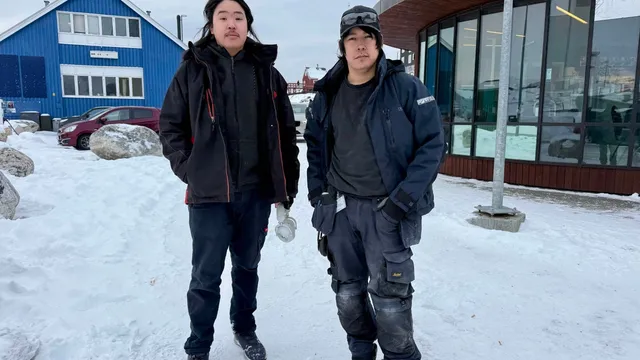
On January 20, 2026, during a speech at the World Economic Forum in Davos, Switzerland, US President Donald Trump reiterated his interest in acquiring Greenland, though he claimed he would not use military force in these negotiations. The speech was met with anxiety in Greenland, where residents expressed deep concerns over Trump's intentions regarding their territory. Paarnannguaq Tiitussen, a jewelry store owner in Nuuk, emphasized that despite Trump's assurance of no military action, his statements were perceived as threats, creating a climate of fear among the island’s inhabitants. Mental health professionals noted an increase in anxiety and distress among Greenlanders, with many struggling to sleep and fearing for their future. Julie Rademacher from Uagut highlighted the psychological toll this situation was having, particularly on children and families considering leaving Greenland. These sentiments were echoed by Danish Americans in Elk Horn, Iowa, who felt caught between their allegiance to Trump and their ties to Denmark, their ancestral homeland. The tension surrounding Trump's fixation on Greenland has strained relations between the US and Denmark, a long-standing ally, raising concerns about the future of this diplomatic relationship. Residents in Elk Horn expressed confusion and hurt over Trump's remarks about Denmark, highlighting the complex intersection of loyalty and foreign policy for many Danish Americans. Campaigns focusing on cultural ties, such as the Danish Windmill project, have expressed fears over the impact Trump's rhetoric could have on their ongoing operations and the broader community's sentiment. The combination of uncertainty and the psychological impact of Trump's comments has left many feeling isolated, fueling discussions about solidarity and support from various international allies. Trump’s remarks and the reactions they provoked indicate a broader conflict between national interests and historical allegiances that continue to affect the lives of people on both sides of the Atlantic.

Context

The historical relationship between the United States and Denmark has deep roots, characterized by mutual cooperation and shared values. Relations began in the early 19th century, marked by Denmark's support for U.S. independence and subsequent diplomacy. The significance of the Danish West Indies, a group of islands that included St. Thomas and St. John, became pivotal in strengthening ties, culminating in the U.S. purchase of these islands in 1917. This acquisition not only enhanced U.S. territorial interests but also strengthened the military and strategic presence in the Caribbean. Over time, Denmark emerged as a key ally in Northern Europe, advocating for American interests during both World Wars, reflecting a broader alignment in foreign policy objectives. Throughout the 20th century, U.S.-Denmark relations flourished within the larger context of NATO, established in 1949, as both nations shared a commitment to collective defense and security. Denmark's strategic location in the North Atlantic made it a valuable partner for the U.S. during the Cold War. Moreover, the two nations collaborated on various military and economic initiatives, highlighting Denmark's role in supporting U.S. efforts in Europe and beyond. The enduring friendship was evidenced by Denmark's participation in U.S.-led military operations, such as in Afghanistan and Iraq, showcasing unwavering support for U.S. foreign policy objectives. In recent years, the relationship has evolved to address contemporary global challenges, including climate change, cybersecurity, and terrorism. Denmark has positioned itself as a leader in sustainability, and the U.S. has recognized Denmark's efforts toward reducing carbon emissions and promoting renewable energy technologies. Bilateral discussions have increased, focusing on energy transition and innovation, fostering deeper cooperation in scientific research and technology. Additionally, both nations have emphasized the importance of democratic values and human rights in their respective foreign policies, contributing to stability and cooperation in the Baltic region and beyond. As of 2026, the U.S.-Denmark partnership remains robust, driven by shared interests and a commitment to addressing global issues collaboratively. Both countries continue to engage on economic, security, and environmental fronts, showcasing the dynamic nature of their relationship. The historical foundation laid through diplomacy, mutual support, and strategic cooperation has evolved into a multifaceted partnership poised to tackle 21st-century challenges. This enduring alliance not only highlights the significance of bilateral relations but also underscores the broader importance of transatlantic ties in promoting peace and security in Europe and across the globe.

2026 All rights reserved