

Iran showcases military might with missile tests before US talks
Iran showcases military might with missile tests before US talks
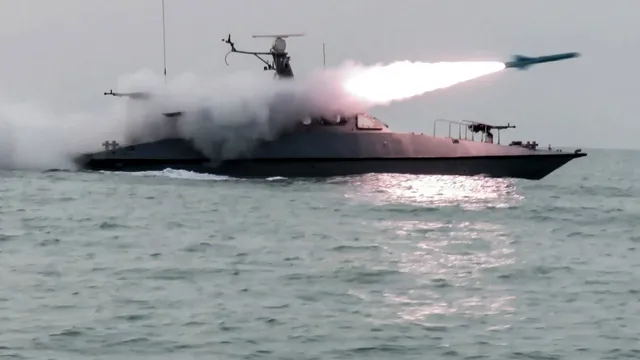
- Iran conducted military drills in the Strait of Hormuz, demonstrating its military capabilities.
- US and Iranian officials began indirect talks in Geneva regarding nuclear negotiations.
- The outcome of the talks is uncertain, dependent on the US's willingness to lift economic sanctions.
Story
In the context of heightened tensions with the United States, Iran recently conducted military drills in the Strait of Hormuz. These drills were characterized by the deployment of missiles, warships, and helicopters, and were aimed at testing the operational readiness of the Iran Revolutionary Guard Corps (IRGC). The timing of these military exercises coincided with the commencement of indirect talks between US and Iranian diplomats in Geneva, where the future of nuclear negotiations was to be discussed. The Iranian delegation was led by Foreign Minister Abbas Araghchi, while US envoys Steve Witkoff and Jared Kushner represented their interests, with Omani officials mediating the talks. Concerns surrounding the success of these negotiations arose prior to their start, fueled by US President Donald Trump's comments supporting regime change in Tehran. Trump expressed skepticism about Iran's intentions, stating, "I don’t think they want the consequences of not making a deal." These words came in the wake of indications that the US military was preparing for possible operations against Iran, showing a willingness to respond to any attacks. Such military readiness was further corroborated by recent troop withdrawals from eastern Syria, suggesting the US might take action following the naval drills. Amid these developments, Iran’s Supreme Leader Ayatollah Ali Khamenei issued a stark warning to President Trump, emphasizing the vulnerabilities of even the world's most formidable military forces. This rhetoric highlights Iran's stance that it would not yield to intimidation. Additionally, Iranian officials have indicated the success of the Geneva talks would depend on the seriousness of the United States and its willingness to lift economic sanctions imposed on Iran. The geopolitical landscape surrounding these events is complex, as Iran has previously threatened to close the vital Strait of Hormuz in response to US aggression. Such a closure could have significant repercussions for global oil supplies and markets. Just after the naval exercises, global oil prices experienced a drop as investors assessed potential risks associated with supply disruptions. Thus, the interplay between military posturing by Iran and diplomatic engagements with the US continues to shape the narrative leading up to critical negotiations regarding Iran's nuclear capabilities.
Context
The ongoing negotiations surrounding Iran's nuclear program have significant implications for the United States, particularly in the realm of international relations, security, and geopolitical stability. Following the United States' withdrawal from the Joint Comprehensive Plan of Action (JCPOA) under the Trump administration in 2018, tensions escalated between Iran and the U.S., leading to concerns over Iran's nuclear capabilities. These talks involve not only the United States and Iran but also other key players, including European nations and Russia, complicating the diplomatic landscape. The outcome of these discussions could have far-reaching consequences for U.S. foreign policy, particularly in the Middle East, where Iran's influence is a pivotal factor in regional dynamics and conflicts. A successful negotiation could signal a renewed commitment to diplomatic solutions and potentially lead to the re-establishment of the JCPOA, limiting Iran's nuclear ambitions in exchange for sanctions relief. This would enhance U.S. credibility on the global stage, demonstrating an ability to engage in constructive diplomacy. However, failure to reach an agreement might lead to further escalation of hostilities between the U.S. and Iran, prompting military posturing and increased sanctions that may not only destabilize Iran but also impact neighboring countries and U.S. interests in the region. Public opinion in the U.S. and among its allies plays a crucial role in shaping the outcome of these talks. Domestic political pressures, including attitudes toward Iran and perceptions of national security, influence the strategies employed by U.S. negotiators. Furthermore, the Biden administration's approach must balance the desire for a diplomatic resolution with the need to address concerns from regional allies, such as Israel and Saudi Arabia, who view Iran's nuclear aspirations as a direct threat to their security. Achieving a consensus among these stakeholders is fundamental to creating a sustainable framework for peace. In conclusion, the implications of the Iran nuclear talks extend beyond mere policy decisions; they encompass a complex interplay of international relations and national security considerations. The United States' handling of these negotiations will likely redefine its standing in the Middle East and could serve as a precedent for future diplomatic engagements with nations regarded as adversaries. As the situation unfolds, it is imperative for the U.S. to navigate these discussions with a keen awareness of the broader impact on global security and international relations.


