
society
uplifting
informative

Eid al-Fitr concludes Ramadan while masking ongoing global tensions

Mar 17, 2026, 2:12 PM60
(Update: Mar 20, 2026, 2:54 PM)
Islamic holiday at the end of Ramadan

Eid al-Fitr concludes Ramadan while masking ongoing global tensions

  • Eid al-Fitr is celebrated by Muslims globally after the month of Ramadan, a period of fasting from dawn to dusk.
  • This year, the festivities are marked by contrasts due to ongoing conflicts, especially in the Middle East.
  • Despite the joy of celebration, many grapple with the realities of war, highlighting the need for peace and unity.
Share your opinion
6

Story

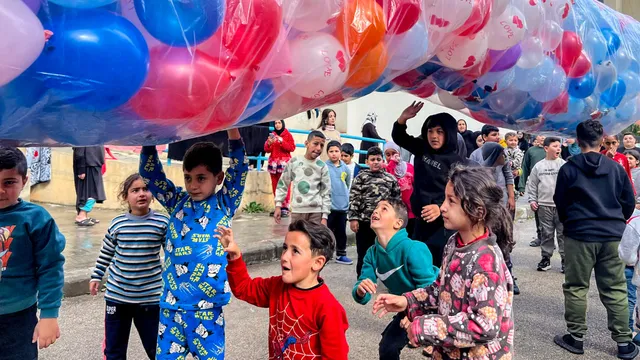
Today, millions of Muslims around the globe are celebrating Eid al-Fitr, the festival that marks the conclusion of Ramadan, a significant month of fasting and spiritual reflection in Islam. This year, the holiday is anticipated based on the lunar calendar, with festivities commencing after the sighting of the crescent moon. Ramadan, which involved daily fasting from dawn until sunset, promotes prayer, charity, and community, and concludes with Eid, which is a time of prayer, feasting, and family gatherings. However, the atmosphere of joy is tempered by ongoing conflicts and societal challenges. In regions such as the Middle East, particularly affected by war and violence, Eid celebrations are overshadowed by the somber realities faced by many communities. The stark contrasts of exuberant celebrations intermixed with grief and loss highlight the complexities of current geopolitical situations. These contrasting circumstances are visible in places like Gaza, where prayers are held amid rubble, while elsewhere, joyous family gatherings take place in more stable environments. In countries like Indonesia and Malaysia, Eid is marked by traditional homecoming practices, as many travel to their hometowns to celebrate with loved ones. Customs include communal prayers, festive meals, and gift-giving, particularly to children who receive special traditional cash gifts known as eidiya. The holidays also feature a spirit of open houses, where families invite friends and neighbors to share in the joy of the celebration. As such, these communal customs support social bonds and provide a unique opportunity for cultural exchange and inclusivity among diverse Muslim communities. In the United States, where a diverse array of cultures converge, Eid festivities may include family gatherings, public prayers, and events aimed at fostering community spirit, often led by local mosques, showcasing the vibrant and varying ways the holiday is celebrated across different cultures. This year’s Eid is not just a celebration of faith and community; it resonates with a call for unity and peace, as many Muslims reflect on the broader issues of safety, acceptance, and coexistence in today's world.

Context

Ramadan is the ninth month of the Islamic lunar calendar and is considered one of the holiest months for Muslims worldwide. It commemorates the month in which the Quran was revealed to the Prophet Muhammad. Ramadan is marked by fasting from dawn until sunset, which is one of the Five Pillars of Islam, making it an essential practice for observant Muslims. The fast, known as Sawm, includes abstaining from food, drink, smoking, and sexual relations during daylight hours. This monthly observance is a time for reflection, prayer, and community, emphasizing charity and self-discipline. The exact dates of Ramadan vary each year as they are determined by the sighting of the moon, leading to its start and end dates shifting by about 10 to 12 days annually based on the lunar calendar. This translates to diverse experiences across cultures and geographic locations during the month of fasting. The communal aspect of Ramadan is emphasized through activities like Iftar, the meal that breaks the fast at sunset, often shared among family and friends. Many Muslims wake up for Suhoor, a pre-dawn meal, to prepare for the day’s fast. Charity, or Zakat, becomes especially significant during this month, with many Muslims making a conscious effort to give to those in need, fostering a sense of community and social responsibility. During Ramadan, mosques are filled with worshippers engaged in extra prayers and recitations of the Quran, particularly during the night prayers known as Taraweeh. This heightened spiritual engagement and commitment aims to strengthen the individual's faith and connection with God. Eid al-Fitr, which translates to the "Festival of Breaking the Fast," marks the end of Ramadan and is one of the most joyous celebrations in the Islamic calendar. Eid is observed on the first day of Shawwal, the month following Ramadan. The festivities begin with a special prayer at the mosque, attended by the community, which is often accompanied by a sermon. Muslims are encouraged to wear their best clothing and to participate in communal prayers. A significant component of Eid al-Fitr is the act of giving, specifically Zakat al-Fitr, which is a form of charity meant to purify those who fast from any indecent act or speech and to help the needy partake in the celebration. The celebratory nature of Eid al-Fitr includes various customs and traditions that vary across cultures, such as exchanging gifts, sharing festive meals, and visiting friends and family. It is a time for forgiveness, communal harmony, and giving thanks for the strength and discipline displayed during Ramadan. The importance of these practices reinforces the overarching themes of gratitude, empathy, and community that characterize both Ramadan and Eid al-Fitr. Through these observances, Muslims not only strengthen their spiritual beliefs but also foster a sense of solidarity and unity within their communities, celebrating together the culmination of a month dedicated to devotion and self-reflection.

2026 All rights reserved
