

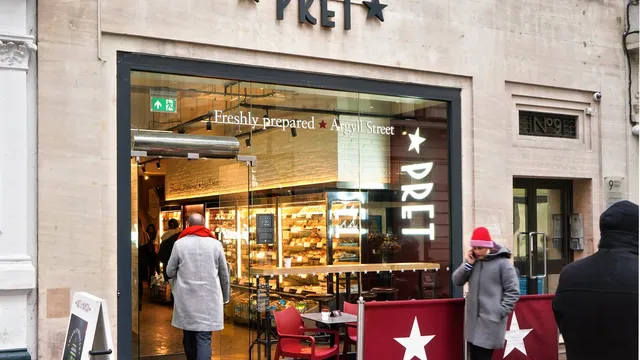
Pret loses its charm as Britain succumbs to mediocrity
Pret loses its charm as Britain succumbs to mediocrity
- In 2025, Britain experienced a decline in the quality of food offerings, symbolized by Pret A Manger.
- Once known for its fresh and inventive meals, Pret began to reflect a broader culture of blandness and monotony.
- The consequences included rising prices and dissatisfaction among customers, marking a lack of value in dining choices.
Story
In 2025, a notable decline in the quality of Pret A Manger sandwiches marked a significant moment in the broader cultural landscape of Britain. The once-popular chain, known for its fresh-made offerings, had increasingly fallen victim to what Jack Burke refers to as 'Pretflation.' This term captures the idea that the vibrancy and originality that characterized British cuisine and culture had been replaced by a sense of blandness and uniformity. Many Britons started noticing that their meals lacked taste and excitement, aligning with a national trend of reduced creativity and increased standardization in various aspects of life. The decline of Pret can be seen in the context of a larger societal shift that took place over several years. Britain, which had previously been celebrated for its culinary diversity and innovative food options, appeared to stagnate in 2025. This stagnation was characterized by an increase in reheating pre-prepared meals, rather than an emphasis on fresh ingredients and unique recipes. The consequences of this shift extended beyond the culinary realm, with other areas of entertainment, such as television and film, also reflecting a culture that leaned heavily on familiar formulas and nostalgic reboots. The deterioration in the quality of offerings at Pret A Manger is indicative of a disconnect between consumer expectations and the reality of the products being delivered. Once lauded for its fresh and inventive range that catered to professionals and casual diners alike, the brand’s identity shifted over time. What was once a choice embraced for its affordability now appeared overpriced, diminishing its value in the eyes of many customers. The rising costs of basic items like a baguette quickly became synonymous with an unsustainable dining experience, leading to feelings of disappointment among regulars who once regarded Pret as a beloved lunch option. As Pret A Manger began to symbolize the growing fatigue within Britain's high street, it also served as a metaphor for a nation grappling with its own identity. Burke's critique reflects a sense of nostalgia for a time when originality and quality prevailed in British lifestyles. However, impersonal eating experiences became all too common, reducing the joy of dining to mere convenience. This slow deterioration highlights broader themes of cultural and economic malaise that have affected various industries throughout the country, emphasizing the need for a renewal of creativity and values across the board to reclaim a sense of pride and excitement in what it means to dine and socialize in modern Britain.


