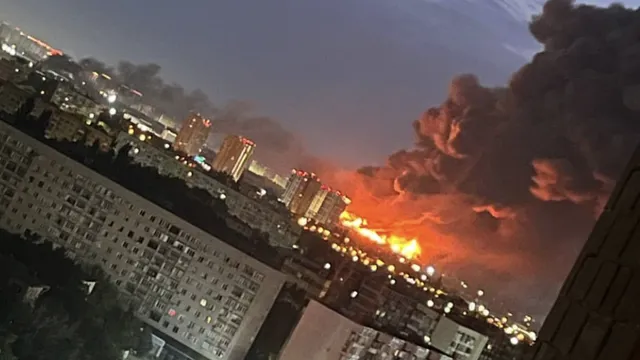
The ongoing conflict in Ukraine has significantly impacted Russian logistics, particularly through targeted strikes on supply lines and military infrastructure. These strikes have disrupted the flow of essential resources, including ammunition, fuel, and food supplies, which are critical for sustaining military operations. The Ukrainian military has employed a combination of drone strikes, artillery fire, and special operations to target key logistical hubs, railways, and depots, thereby creating bottlenecks in the Russian supply chain. This disruption has forced Russian forces to adapt their logistics strategies, often leading to delays and shortages that hinder operational effectiveness on the battlefield.
Moreover, the strikes have not only affected the immediate supply of resources but have also had a psychological impact on Russian troops and command structures. The constant threat of Ukrainian strikes has led to increased caution and a reevaluation of logistics routes, which can slow down troop movements and reduce the overall responsiveness of Russian forces. The need to secure supply lines has diverted attention and resources away from frontline operations, potentially compromising the effectiveness of Russian military strategies. As a result, the Ukrainian strikes have created a challenging environment for Russian logistics, forcing them to operate under heightened risk and uncertainty.
In addition to immediate logistical challenges, the long-term implications of these strikes could reshape the operational landscape of the conflict. As Ukraine continues to develop its capabilities in precision strikes, the Russian military may be compelled to invest more heavily in air defense systems and countermeasures to protect its supply lines. This shift in focus could lead to a reallocation of resources, impacting other areas of military readiness and capability. Furthermore, the sustained pressure on Russian logistics may encourage Ukraine to pursue more aggressive strategies, potentially leading to further territorial gains and a shift in the balance of power in the region.
Ultimately, the impact of Ukrainian strikes on Russian logistics underscores the importance of supply chain integrity in modern warfare. The ability to maintain a steady flow of resources is crucial for sustaining military operations, and disruptions can have cascading effects on overall military effectiveness. As the conflict continues to evolve, the dynamics of logistics will play a pivotal role in shaping the outcomes of engagements and the broader strategic landscape. The ongoing situation highlights the necessity for both sides to adapt and innovate in their logistical approaches to meet the challenges posed by the conflict.