

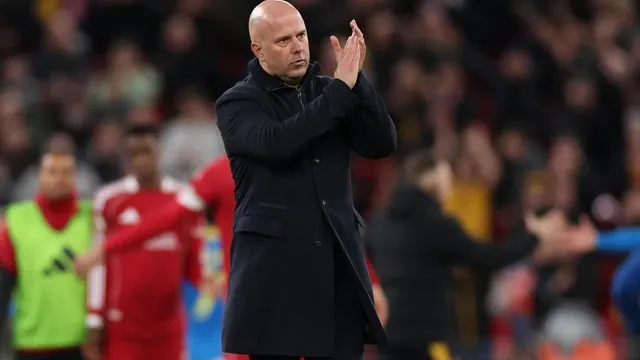
Liverpool's Arne Slot disappointed by goalless draw against Leeds
Liverpool's Arne Slot disappointed by goalless draw against Leeds
- Liverpool faced Leeds on January 1, 2026, in the Premier League, where they endured a goalless draw at Anfield.
- Liverpool's manager Arne Slot expressed disappointment following their lack of scoring opportunities despite controlling possession.
- The result highlighted Liverpool's need to improve their finishing as they aim to maintain their position in the league.
Story
In England, on January 1, 2026, Liverpool and Leeds United faced each other in a Premier League match that ended in a 0-0 draw at Anfield. Liverpool came into the game after a successful run in December, where they climbed to fourth place in the league, maintaining a strong form by winning their last three matches. However, Leeds, who were positioned 16th in the league, also extended their unbeaten run to six matches, highlighting their defensive solidity that frustrated Liverpool’s offensive efforts throughout the match. Despite dominating possession, Liverpool struggled to convert opportunities into goals, facing a resolute Leeds defense that transitioned effectively between formations. Daniel Farke, the Leeds manager, noted the importance of defensive strategy in attaining their fourth consecutive draw against Liverpool in their recent encounters, signifying a tactical evolution for Leeds. Liverpool, who had previously shown vulnerability in defense during their clash in December 2025, failed to capitalize on their home advantage. Arne Slot, despite his strategic adjustments during the match, was ultimately left dissatisfied, stating that they had more chances but did not manage to score. This stalemate marks Liverpool's first goalless result under Slot’s management, prompting reflection on maintaining performance consistency moving forward. Hugo Ekitike, Liverpool's star forward, was marked as a key player; however, he squandered crucial chances that could have changed the game’s outcome. This extends Liverpool's challenge of combining their attacking prowess with defensive reliability, as they remain conscious of the fine line separating them from a negative trend after their explosive December draw against Leeds. The match highlighted both clubs' fluctuating forms, with Liverpool needing to focus on converting possession into goals to avoid further frustrations as they seek to climb the league table amid intense competition. This draw could place additional pressure as they prepare for upcoming fixtures, assessing player performances and managing squad formations effectively. Liverpool's failure to secure three points against Leeds serves as a reminder of the unpredictability of football, where even with an apparent favor in match conditions, outcomes can still lead to disappointment. The date marks a crucial turning point for Liverpool to recalibrate their strategy as they aim for the top positions in the Premier League while Leeds aims to build on their recent resilience against higher-ranked teams.
Context
Arne Slot, the head coach of a prominent football club, recently provided his insights following a gripping match between Liverpool and Leeds United that ended in a draw. The game showcased both teams’ tactical prowess and determination, reflecting the intense atmosphere typical of encounters between such storied clubs. Slot highlighted the competitive nature of the match, praising the resilience of both sides as they fought for control and created several goal-scoring opportunities. He acknowledged the passionate displays from the players, which not only entertained the fans but also underscored the significance of the points that were at stake in the context of the current league standings. In his post-match statements, Slot emphasized the importance of maintaining composure during high-pressure situations, a sentiment that resonated with the events of the match. He noted specific moments where key players rose to the occasion, making crucial tackles and saves that helped to seal the draw. Analyzing the gameplay, he identified both the strengths and weaknesses demonstrated by his team, suggesting areas for improvement moving forward. This analytical approach is a hallmark of Slot's coaching style, as he aims to foster a culture of continuous development within the squad. Moreover, Slot addressed the tactical battle that unfolded, focusing on the strategies employed by both himself and his counterpart. He praised the adaptive style of play from Leeds United, which posed challenges for his team throughout the encounter. He expressed satisfaction with how his players managed to adjust their tactics mid-game, showcasing their versatility and understanding of game dynamics. This adaptability is crucial for competing at high levels, especially in tightly contested fixtures that can have major implications on league rankings. As the season progresses, Slot's reflections on this draw serve as valuable learning points for his squad. His ability to dissect performance and identify growth opportunities will be essential as they prepare for upcoming matches. With the pressure of league competition intensifying, Slot’s focus will likely shift towards harnessing the momentum gained from this experience, ensuring that the lessons learned resonate within the team. His analytical mindset and commitment to improvement stand to benefit not only the players but also the strategic outlook of the club in the days to come.


