

Mississippi endures the worst winter storm in decades as freezing conditions trap residents
Mississippi endures the worst winter storm in decades as freezing conditions trap residents
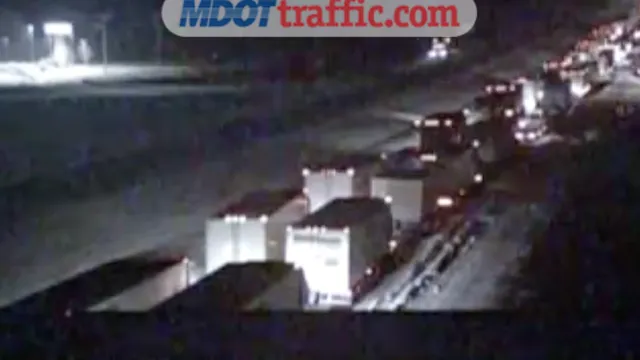
- Freezing temperatures and ice accumulated on roads and bridges in Mississippi, stranding numerous vehicles.
- Emergency services rescued drivers and worked tirelessly to restore power amidst a historic winter storm's impact.
- The serious consequences highlighted the need for community support as Mississippi dealt with its worst winter weather in decades.
Story
In late January 2026, Mississippi experienced significant disruption due to a severe winter storm, characterized by heavy ice accumulation and subzero temperatures. The storm caused major interstates and bridges to ice over, leading to numerous stranded vehicles and emergency rescues by first responders and the National Guard. The situation became dire for residents, particularly the vulnerable populations, as many found themselves without power for days amid freezing conditions. More than 120,000 households were reported without electricity at its height, adding to the distress experienced by those caught in the storm and creating a critical need for additional shelter and resources. Local officials expressed serious concerns regarding the safety of residents who were exposed to prolonged cold temperatures without adequate heating. As the storm's effects persisted, Mississippi's Governor Tate Reeves emphasized the significant toll taken on the state, labeling it as the worst winter weather event since a devastating storm in 1994. Many residents were urged to seek warming centers, as emergency crews worked tirelessly to restore power and clear roads for emergency access. Reports indicated that at least 70 fatalities across affected states were linked to the extreme cold, with some cases arising from hypothermia or carbon monoxide exposure due to unsafe heating alternatives. As the temperatures were forecasted to drop even further with the arrival of arctic air, the risk of additional casualties grew, particularly for the elderly and those with medical conditions. Emergency management officials mobilized hundreds of National Guard troops to assist with debris clearance and provide aid to those trapped in both homes and vehicles. The severe conditions prompted widespread anxiety and a call for quick assistance from local governments and non-profit organizations to address the fluctuating needs of the displaced population. The sense of urgency was palpable, especially in areas where access to essential supplies was severely restricted by ice-covered roads. The recovery process was hampered by ongoing challenges, including downed power lines and obstructed routes. The government declared a state of emergency, which allowed for the allocation of resources and personnel toward disaster response and recovery efforts. Community-driven initiatives also emerged, with local citizens stepping in to help their neighbors, demonstrating resilience and solidarity during a crisis. With forecasts suggesting a continuation of frigid temperatures and the potential for more winter weather, the situation remained critical as Mississippi began to navigate the aftermath of the storm and prepare for further challenges.


