

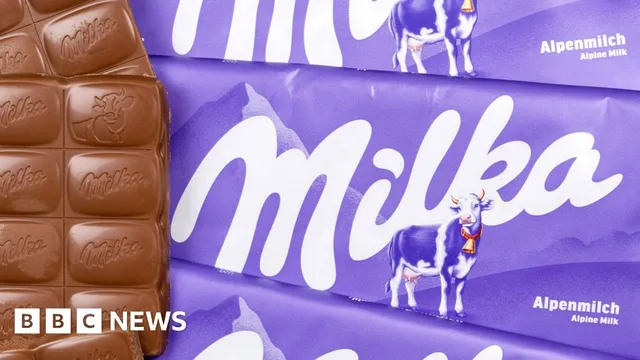
Court finds Mondelēz guilty of deceiving consumers with shrinkflation
Court finds Mondelēz guilty of deceiving consumers with shrinkflation
- Hamburg's consumer protection office accused Mondelēz of deceiving consumers by reducing the weight of the Milka Alpenmilch bar.
- The Bremen district court ruled that keeping the same packaging while changing the contents constituted deception.
- The outcome highlights a significant legal precedent against shrinkflation practices that could influence other products.
Story
In Germany, a significant court case was resolved in April 2025 concerning the manufacturer Mondelēz and its product, the Milka Alpenmilch chocolate bar. The Hamburg consumer protection office (VZHH) had accused Mondelēz of misleading consumers after they reduced the weight of the bar from 100g to 90g without a noticeable change in packaging. While the company maintained that they had informed customers through their website and social media about the adjustments, consumers expressed dissatisfaction, denouncing the product as a 'rip-off' due to the price increase from €1.49 to €1.99, which occurred concurrently with the weight reduction. The court's ruling highlighted the deceptive nature of maintaining the same packaging while changing the contents. It emphasized the need for clearer labeling to avoid consumer confusion. The legal outcome signifies a noteworthy move against shrinkflation, where companies reduce product sizes while keeping prices stable or increasing them. It serves as a legal precedent not just for chocolate manufacturers but could resonate across various consumer goods as the economy faces rising inflation rates. The German inflation rate for chocolate alone rose significantly, with a reported 14.6% increase in the year leading up to August 2025, showcasing a broader trend in consumer products. Additionally, the case against Mondelēz is part of a growing trend where consumer groups are actively fighting against shrinkflation in Germany. Although the court addressed the concerns regarding Milka, other brands like Ritter Sport are also under scrutiny for similar practices. The Hamburg VZHH has identified over 77 products in 2025 alone that fit their 'rip-off packaging' criteria, indicating a widespread issue within the market. This relentless focus on transparency and fairness in pricing may lead to broader changes in how products are marketed and sold in the future, especially as consumer awareness rises concerning such deceptive practices. As the shrinkflation battle unfolds, the implications could result in increased regulatory pressures on manufacturers to clearly communicate changes in product weight and pricing. This case indicates a clear message to the industry that consumer trust is essential, and businesses failing to maintain that trust may face legal challenges. The ruling could pave the way for more robust consumer protection legislation and encourage other nations to address similar shrinkflation issues in their marketplaces.


