

Waymo launches level four driverless taxis in London
Waymo launches level four driverless taxis in London
- Waymo plans to test level four autonomous taxis in 20 London boroughs by 2026.
- The technology aims to improve mobility for elderly individuals who may struggle with traditional driving.
- The future of fully autonomous cars (level five) remains uncertain while level four testing is imminent.
Story
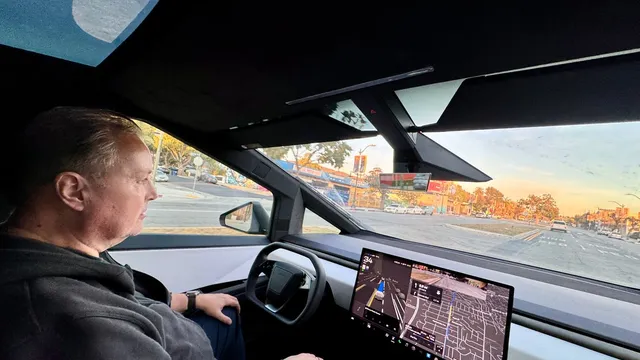
In 2026, Waymo, a subsidiary of Google, plans to test level four autonomous vehicles across 20 of London’s 32 boroughs. This initiative is part of a broader trend where major companies like Uber and Lyft are also assessing driverless taxi services in the UK. Autonomous vehicles represent a significant evolution in transportation technology, aimed at catering to the mobility needs of individuals who may struggle with traditional driving, such as the elderly. Vehicle Technology Manager Tom Leggett from Thatcham Research emphasizes that while level four technology—a state where drivers have no control over the vehicle—is on the horizon, the path to level five autonomy remains uncertain. Leggett highlights the importance of balancing innovation with safety as technology continues to progress. As the global population ages, the push for driverless technology intensifies, prompting discussions about how such innovations can extend mobility and independence for those who can no longer drive. The observation of an elderly individual relying on adaptive technology raises awareness about the societal implications and personal stories behind the technology. Leggett suggests that as more individuals choose to relinquish their licenses, the demand for alternatives like autonomous vehicles will only increase. Despite excitement for the future, many experts caution against expecting a rapid shift to fully autonomous driving (level five). This outlook reflects a complex mixture of technological readiness, regulatory frameworks, and public acceptance, creating a landscape rife with challenges and considerations. Thus, while the promise of driverless cars intrigues many, the reality will likely involve gradual adjustments to both technology and societal norms over an extended period. In summary, the landscape of autonomous driving in the UK is changing, with major players set to engage in practical testing. The discussions surrounding these developments reflect broader societal needs, particularly the necessity for adaptive transportation solutions for aging populations. A careful approach, integrating technology with real-world applications and public safety, will be essential as the industry navigates toward increasingly autonomous vehicles.


