
Paramount greenlights Rush Hour 4 following Donald Trump's intervention
- Paramount Pictures has agreed to distribute 'Rush Hour 4' following a push from President Donald Trump.
- The film marks a revival of a franchise that had stalled due to past controversies involving director Brett Ratner.
- The collaboration illustrates how external influences, including political figures, can shape the entertainment landscape.
Story
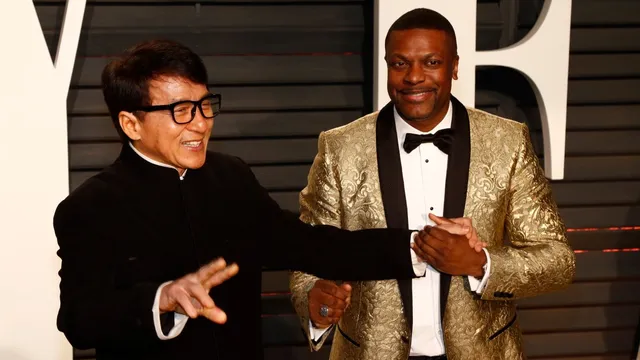
In the United States, the film industry has experienced significant shifts influenced by societal pressures and public figures. Recently, Paramount Pictures announced its agreement to distribute 'Rush Hour 4', a film that had long been stalled due to previous controversies surrounding director Brett Ratner. The revival of this popular franchise comes after President Donald Trump personally urged studio leadership to move forward with the project, showcasing how external influences can reshape cinematic offerings. Ratner, who faced sexual misconduct allegations in 2017 but denied the accusations, will direct once again, a move supported by both Trump and Paramount's ownership. The announcement of 'Rush Hour 4' follows years of speculation and negotiations, particularly as many prior studios, including Warner Bros., had passed on the project. The franchise, which began with the original film released in 1998, features the dynamic pairing of Jackie Chan and Chris Tucker. Paramount has stepped in to distribute the film for Warner Bros., securing a deal that highlights the complexities of modern film production and distribution amidst evolving public sentiments regarding past controversies. Trump’s advocacy for the film signifies a broader cultural dialogue in which political influence intersects with entertainment. His remarks about the 'Rush Hour' series—citing its humor and action-packed nature—indicate a preference for a return to classic styles of filmmaking that resonate with fans of the original films. This intervention reflects not only a personal affinity but also an idea to infuse comedy and action genres back into mainstream cinema, which have been perceived to evolve away from their traditional formats in recent years. As anticipated, the return of Jackie Chan and Chris Tucker to their iconic roles as Detectives Lee and Carter is expected to draw significant public interest, connecting with audiences who fondly remember the past films. Given the anticipated release, the push from Trump may well be a turning point in not only the future of the 'Rush Hour' franchise but also in how cultural narratives are influenced by public figures, tying political aspirations to entertainment ventures. The outcome of this collaboration will likely attract ongoing scrutiny and engagement, especially as it develops in a shifting socio-political landscape.
Context
The influence of Donald Trump on Hollywood has evolved significantly since his initial presidential campaign in 2015 and lasting through his term until 2021. Trump's direct involvement in politics and his status as a polarizing figure have led to a reconfiguration of the Hollywood landscape. The entertainment industry, traditionally viewed as predominantly liberal, responded to his presidency with vocal opposition, incorporating political themes into various films and television series. This response manifested in an upsurge of projects that tackled social issues, reflecting the anxieties and divisions prevalent during his administration. High-profile actors and filmmakers frequently utilized their platforms to criticize Trump's policies, fearless of potential backlash, and this trend has continued into subsequent years, indicating a lasting cultural shift within Hollywood. The effects of Trump’s presidency are not just limited to political discourse but extend to the broader industry dynamics, including casting practices and the narratives that dominate mainstream media. Notably, there has been a rise in productions centering around themes of division, nationalism, and social justice, resonating with audiences grappling with these issues in real life. Hollywood's engagement in activism, particularly regarding immigration and civil rights, was heightened during Trump's presidency, encouraging creators to champion progressive causes through their works. Consequently, there has been a marked increase in diversity on screen, as creators seek to represent wider perspectives and experiences to counter the narratives promoted by the Trump administration. Moreover, Trump's antagonistic relationship with specific segments of Hollywood, exemplified by his disdain for certain celebrities and media outlets, has added a layer of complexity to how the industry responds to political figures and ideologies. This reaction has often resulted in what some observers label as an echo chamber, where artists and executives reinforce their views through mutual support, while critics of the entertainment industry are frequently dismissed. As a consequence, the engagement between Hollywood and the political realm has become more polarized, with films and television reflecting these tensions. Artistic expression has sometimes been framed as a form of resistance against the perceived authoritarian tendencies of the Trump era, impacting how narratives are constructed and consumed within popular culture. The post-Trump era is still unfolding, yet the influence he wielded on Hollywood is notable in how it has sparked ongoing dialogues about the role of media in shaping public perception and political discourse. While Trump's direct impact on the industry may wane, the changes it instigated—ranging from content production to industry practices—are likely to endure, influencing future generations of filmmakers and audiences alike. As Hollywood continues to navigate its identity in a politically charged climate, Trump's presidency serves as a reference point, underscoring the connections between social movements, artistic expression, and political authority. The ramifications of this influence will resonate long after his presidency has concluded, as the industry reflects and reframes its narratives in light of contemporary societal issues.
