

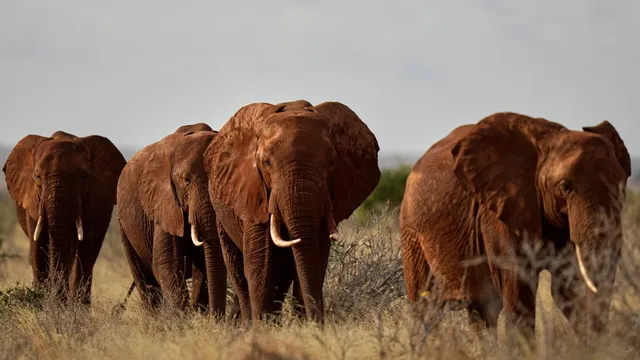
Kenyans protest after elephants kill four people in a week
Kenyans protest after elephants kill four people in a week
- Four people were killed by roaming elephants in Kajiado County over the past week.
- One elephant, believed responsible for two of the deaths, was shot dead by authorities.
- The incidents highlight the escalating human-wildlife conflict, prompting protests and calls for action.
Story
In Kenya, a series of tragic encounters between roaming elephants and humans has resulted in the death of four individuals within a single week, raising concerns about increasing human-wildlife conflict. The incidents occurred in Kajiado County, where local residents reported an alarming uptick in elephant sightings, likely driven by a scarcity of vegetation resulting from below-average rainfall during the ongoing short rains season. Typical behaviors of elephants seeking food have made them more likely to venture into populated areas, leading to confrontations with human residents. On a recent occasion, one man was fatally injured by an elephant while herding goats, highlighting the dangers that local communities face as wildlife seek out resources. The Kenya Wildlife Service acknowledged that an elephant implicated in two of the fatalities had injuries suggestive of past confrontations with humans, possibly due to prior clashes involving spears and arrows from local hunters. Following the tragic events, protests erupted throughout the region, with citizens expressing their frustrations and fears over the rising threat posed by elephants. As the conflict between humans and wildlife escalates, local authorities are under pressure to address both the urgent safety concerns of residents and the protection of the elephants. In response, the Kenya Wildlife Service has called for calm and is endeavoring to enhance prevention measures and improve early response to incidents involving wildlife. As a further step towards addressing these issues, Kenya's government has operated a compensation program, which provides financial support to individuals injured or killed by wild animals. Over the years, this initiative has seen thousands of victims and their families receive compensation, amounting to millions of Kenyan shillings. Nonetheless, these conflicts illustrate the ongoing challenges associated with balancing wildlife conservation and human livelihoods in a time of resource scarcity, necessitating urgent dialogue and solutions among communities, conservationists, and governmental bodies.


