

Ukraine intercepts over 100 Russian drones in massive attack
Ukraine intercepts over 100 Russian drones in massive attack
- Since the evening of November 19, Russian forces launched 136 drones at Ukraine.
- Ukrainian air defense intercepted 106 drones by the morning of November 20.
- The incident highlights ongoing military tensions and aggressive tactics in the region.
Story
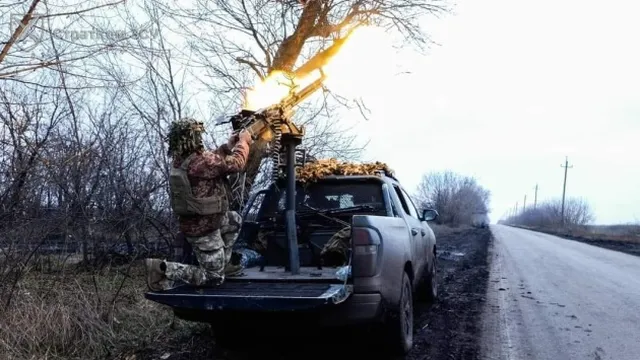
Ukraine faced a significant drone attack on November 19, 2025, as Russian forces launched 136 strike UAVs of various types, including Shahed and Gerbera drones, from multiple locations across Russia and occupied Crimea. The Ukrainian air defense forces, equipped with various military units including aviation, surface-to-air missile troops, electronic warfare units, UAV units, and mobile fire groups, acted promptly to counter the threat. By 08:30 on November 20, Ukrainian forces reported having successfully intercepted and neutralized 106 of the incoming drones during the night. Despite their efforts, impacts from 29 drones were recorded at 16 separate locations, with debris from downed aircraft landing at three additional sites, indicating that even with significant defensive actions, some adverse effects from the attack were inevitable. The ongoing air raid serves to highlight the persistently aggressive tactics employed by Russia in the continued conflict with Ukraine. These developments underscore the ongoing nature of hostilities that have persisted since the initial invasion in February 2022, causing substantial military losses on both sides, as noted by reports detailing Russia's extensive combat losses which, as of November 20, amounted to over 1.1 million personnel, including nearly 900 lost in just one day.
Context
The Russia-Ukraine conflict has significantly evolved since the outbreak of hostilities in February 2022, marking a new phase of military engagement and geopolitical shifts. Following Russia's invasion of Ukraine, launched on February 24, 2022, the conflict rapidly escalated, leading to widespread condemnation from the international community and the imposition of severe sanctions against Russia. Nations around the world rallied to support Ukraine, providing military assistance, financial aid, and humanitarian relief in response to the aggressions faced by Ukrainian sovereignty. Cities such as Kyiv, Kharkiv, and Mariupol became focal points of intense fighting, with civilian casualties rising sharply and millions of Ukrainians displaced from their homes as a result of bombings and military operations. The initial phase of the conflict showcased Russia’s military capabilities but was met with fierce Ukrainian resistance, signaling a protracted struggle ahead. As the war progressed throughout 2022 and into 2023, frontlines shifted with a series of key battles, territorial gains, and losses on both sides. Ukraine undertook remarkable counteroffensives, especially in regions like Kharkiv and Kherson, reclaiming significant territories originally seized by Russian forces. These developments were facilitated by advanced weaponry supplied by Western allies, marking a shift in military dynamics on the ground. The conflict became increasingly characterized by trench warfare, artillery barrages, and drone strikes, highlighting the changing nature of modern warfare. Internationally, the response consisted of strategic supplies of heavy armor and air defense systems to bolster Ukraine's capacity to defend itself against aerial and ground assaults, reflecting a broader commitment to uphold international laws and territorial integrity. The humanitarian crisis resulting from the conflict remains severe, with millions requiring aid and a record number of refugees fleeing to neighboring countries. The situation has raised significant concerns about food security due to disruptions in grain exports from Ukraine, historically a major agricultural exporter. Global food prices surged, causing ripple effects in economies worldwide, particularly in regions dependent on Ukrainian grain. Additionally, the war has exacerbated energy crises in Europe, leading to soaring energy prices and prompting nations to seek alternative energy sources. Despite these challenges, the resolve of the Ukrainian people and their government has been sustained, cultivating a spirit of resilience in the face of adversity. By late 2023, the conflict shows no signs of resolution. Diplomatic efforts have stalled, with negotiations yielding little progress, and both sides remaining firm in their positions. Analysis indicates that the ongoing conflict may redefine security and political alliances in Europe and beyond, with potential long-term ramifications for the NATO alliance and Russia’s place in the global order. As of now, the international community continues to monitor the situation closely, backing Ukraine’s defense while contemplating the implications of continued instability in Eastern Europe.


