
business
informative
impactful

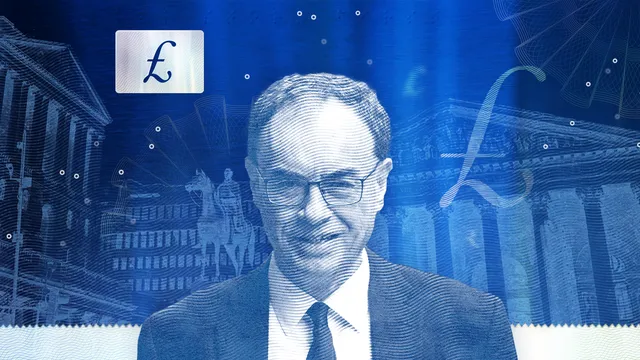
Bank of England hints at upcoming interest rate cuts

Feb 5, 2026, 12:40 PM10
(Update: Feb 5, 2026, 12:40 PM)
central bank of the United Kingdom
British media and telecommunications conglomerate

Bank of England hints at upcoming interest rate cuts

  • The Bank of England voted 5-4 to maintain the interest rate at 3.75%.
  • Governor Andrew Bailey stated that interest rate cuts are now likely this spring.
  • A shift in inflation forecasts and economic conditions supports the expectation for these cuts.
Share your opinion
1

Story

In the United Kingdom, the Bank of England recently maintained its base interest rate at 3.75% during a meeting of its monetary policy committee. Despite keeping the rate unchanged, the key takeaway from the meeting was the growing expectation of a rate cut this spring, as expressed by Governor Andrew Bailey. This decision to leave the rates steady was arrived at after a narrowly divided vote of 5-4. The committee's discussions highlighted a significant softening in inflation forecasts from 3.4% to a target of 2% by spring, contributing to the belief that rate reductions are imminent. The Bank of England has been in a rate-cutting cycle that began in August 2024. Initially, officials communicated that any cuts in borrowing costs would occur

Context

Unemployment is a critical issue that significantly impacts the economy at multiple levels. When individuals are unable to secure jobs, not only does it affect their standard of living, but it also influences consumer spending, which is a key driver of economic growth. High unemployment rates typically result in decreased income, leading to reduced consumer confidence and lower demand for goods and services. As businesses face diminished sales, they may cut back on production, further exacerbating the cycle of unemployment and economic stagnation. This interconnectedness underscores the importance of understanding the broader economic implications of joblessness, as increased unemployment can lead to a recession, affecting both businesses and government revenues. Moreover, the social ramifications of unemployment also contribute to its economic impact. A lack of employment opportunities can lead to higher poverty rates, increased crime levels, and reduced overall societal welfare. When people are unemployed for extended periods, their skills can deteriorate, making it even more difficult for them to re-enter the workforce. This problem, known as 'structural unemployment,' can lead to a long-lasting gap in employment, where individuals find it increasingly challenging to obtain jobs, thereby reducing the overall productivity and competitiveness of the economy. The societal costs associated with this deterioration in skills can lead to higher spending on social services, which further strains governmental budgets. Governments often react to rising unemployment by implementing economic policies aimed at stimulating job creation. These policies may include increasing public spending, providing incentives for businesses to hire, or investing in job training programs to prepare workers for vacancies in growing sectors. In times of high unemployment, particularly during recessions, these measures are critical to restore economic stability. However, the effectiveness of such policies can be limited by structural challenges in the economy. If the job market does not align with the skills of the unemployed populace, merely increasing job openings may not suffice to reduce unemployment. Hence, targeted approaches addressing specific sectors and skills gaps are essential. In conclusion, the impact of unemployment on the economy is profound and multifaceted. It stretches beyond mere statistics, reaching into the realm of social dynamics and reinforcing cycles of economic decline. The ramifications of high unemployment rates necessitate comprehensive strategies that not only promote job creation but also invest in the skill development of the workforce. Understanding these complexities is crucial for policymakers who aim to mitigate the adverse effects of unemployment and promote a more stable and prosperous economy. By addressing both the short-term symptoms and long-term structural issues of unemployment, sustainable economic growth can be achieved.

2026 All rights reserved
