

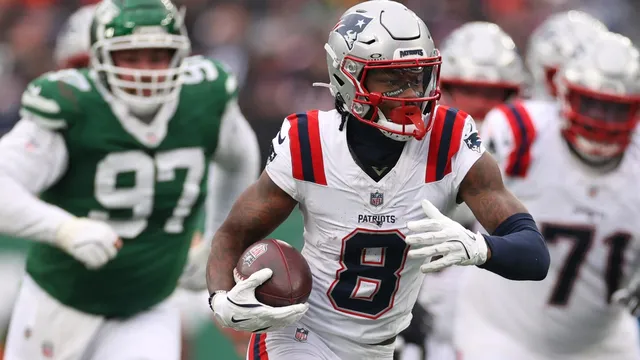
Stefon Diggs faces felony assault and strangulation charges
Stefon Diggs faces felony assault and strangulation charges
- Stefon Diggs faces serious legal charges stemming from an incident on December 2 involving a financial dispute.
- The allegations include felony strangulation and misdemeanor assault, from a complaint filed by a private chef.
- Diggs denies the allegations, and the Patriots support him while cooperating with authorities as the situation unfolds.
Story
Stefon Diggs, a New England Patriots wide receiver, is embroiled in serious legal issues stemming from an incident reported on December 2, where he faces felony charges related to strangulation or suffocation, as well as a misdemeanor assault charge. The case has drawn significant media attention, particularly as the Patriots are in the midst of competing for the playoffs, where their performance and key player participation are under scrutiny. The incident allegedly occurred during a dispute with a woman employed as his private chef regarding financial matters, escalating into a physical confrontation. Reports claim that during the altercation, Diggs allegedly slapped her and attempted to choke her using his arm, prompting the woman to lodge a complaint with the authorities. Diggs has categorically denied the allegations, asserting that they are unfounded and connected to a financial dispute between him and the chef, who felt dissatisfied with the resolution of her claims. His attorney has emphasized that the allegations lack verification and were never properly investigated as they did not take place as described. The Patriots organization has voiced its support for Diggs, stating that they are aware of the accusations and are cooperating with the legal process. They have indicated that Diggs maintains his innocence and will work to resolve the issue legally. The NFL has acknowledged its awareness of the charges and confirmed that it is in communication with the team regarding the matter. With an arraignment set for January 23, which falls just before the AFC Championship game, the outcome of this case could have significant implications for Diggs's professional career and the Patriots' trajectory as they aim for postseason success. The organization must navigate these allegations while maintaining competitive performance amidst the uncertainty of player conduct guidelines that the NFL enforces.
Context
The NFL Personal Conduct Policy is a framework that the National Football League (NFL) uses to ensure that players, coaches, and personnel uphold standards of behavior that reflect the core values of the league. This policy outlines prohibited conduct, including but not limited to acts of violence, criminal behavior, substance abuse, and other actions that can harm the integrity of the game or the league’s reputation. Under this policy, individuals associated with the NFL are expected to conduct themselves with responsible character and professionalism, both on and off the field. The goal is to maintain a positive image for the league, promote respect, and protect the welfare of all involved in the sport, including fans and employees. Violations of the Personal Conduct Policy can result in disciplinary action, such as fines or suspensions, as determined by the league office, often influenced by the severity of the offense and the surrounding circumstances. The NFL Personal Conduct Policy underscores the importance of accountability among players and staff. When incidents occur, the NFL conducts thorough investigations to determine the facts. This process can involve interviews, reviews of evidence, and consulting with law enforcement if necessary. The policy enables the NFL Commissioner to impose disciplinary measures, which are not only intended to penalize the offending individual but also to serve as a deterrent against future misconduct. The NFL emphasizes the need for adherence to the law and promotes a cultural shift toward greater personal accountability within its ranks. This commitment extends beyond punishment and seeks to educate players and staff on the implications of their actions in public and personal settings. Furthermore, the Personal Conduct Policy aims to address and assist with issues that players may face outside of football, including mental health and substance abuse challenges. The NFL has made efforts to provide support through various programs designed to assist individuals in managing their personal issues that could lead to behavior that violates the conduct policy. These preventive measures are crucial as they contribute to the long-term health and well-being of athletes, encouraging them to seek help when needed and fostering a supportive environment both on and off the field. While the NFL Personal Conduct Policy has faced criticism for inconsistencies in enforcement and perceived lack of transparency, the league continues to make revisions and updates to improve its functionality and effectiveness. Ensuring a balance between protecting the integrity of the league and respecting the rights of individuals accused of misconduct has been a challenging aspect of the policy's evolution. Ongoing discussions regarding policy amendments signal the NFL's commitment to fostering a safe and respectful environment, emphasizing that the league takes personal conduct seriously. In this context, the NFL Personal Conduct Policy remains a critical component of the league’s governance, reflecting its dedication to holding individuals accountable while increasingly prioritizing education and support.


