The World Health Organization (WHO) has been at the forefront of the global response to Ebola outbreaks, which have posed significant public health challenges since the virus was first identified in 1976. The organization has developed a comprehensive strategy to manage and mitigate the impact of Ebola, focusing on preparedness, response, and recovery. This strategy includes strengthening health systems, enhancing surveillance, and ensuring rapid response capabilities to contain outbreaks effectively. The WHO collaborates with various stakeholders, including governments, non-governmental organizations, and local communities, to implement these strategies and ensure a coordinated response to outbreaks.
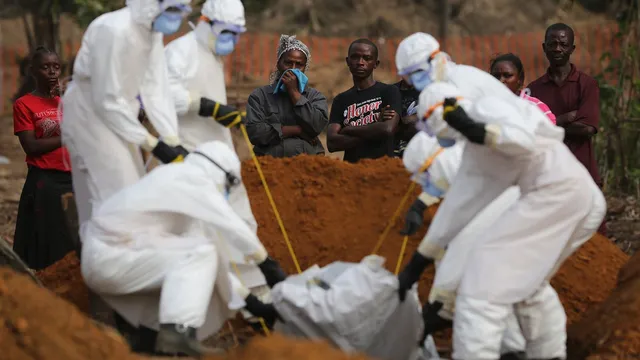
One of the key components of the WHO's response to Ebola is the establishment of the Emergency Operations Centre (EOC), which plays a critical role in coordinating the international response during outbreaks. The EOC facilitates real-time data collection and analysis, enabling health authorities to make informed decisions. Additionally, the WHO has developed guidelines for the management of Ebola cases, including protocols for safe burial practices, contact tracing, and vaccination strategies. The organization has also been instrumental in the development and deployment of vaccines, such as the rVSV-ZEBOV vaccine, which has shown efficacy in preventing Ebola virus disease and has been used in outbreak response efforts.
Training healthcare workers is another vital aspect of the WHO's response strategy. The organization provides training programs to equip health professionals with the necessary skills to manage Ebola cases and implement infection prevention and control measures. This training is crucial in building local capacity and ensuring that healthcare systems can respond effectively to outbreaks. Furthermore, the WHO emphasizes the importance of community engagement in the response to Ebola. By involving local communities in awareness campaigns and response efforts, the organization aims to build trust and encourage individuals to seek medical care when symptoms arise, thereby reducing transmission rates.
In conclusion, the WHO's response to Ebola outbreaks is a multifaceted approach that encompasses preparedness, rapid response, and community engagement. Through collaboration with various stakeholders, the establishment of operational frameworks, and the provision of training and resources, the WHO aims to mitigate the impact of Ebola on affected populations. Continuous evaluation and adaptation of strategies are essential to address the evolving nature of the virus and to enhance global health security. As the world continues to face the threat of Ebola and other emerging infectious diseases, the lessons learned from past outbreaks will be invaluable in shaping future responses.