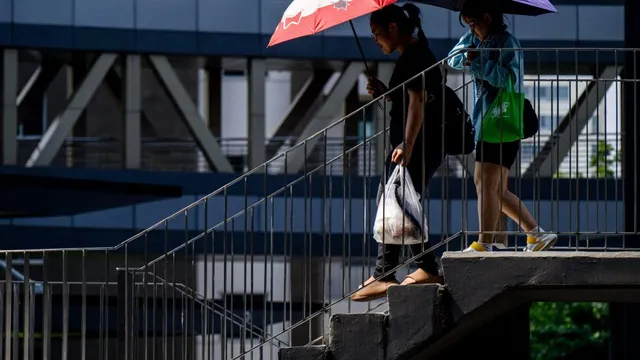
Bangkok, Thailand, is facing a significant rise in average temperatures, with projections indicating that the daily maximum temperature could reach 38.1 degrees Celsius by the year 2050. This increase represents a substantial change from the 33.3 degrees Celsius recorded in 2000, marking the steepest rise forecast for any major capital in Southeast Asia. The World Bank has highlighted the severe implications of this temperature increase, estimating that even a one degree Celsius rise could result in over 2,300 additional heat-related deaths annually, alongside substantial economic losses in wages and increased electricity costs. The sectors most at risk include tourism, manufacturing, agriculture, and construction, which are vital to Thailand's economy. As the country prepares to host the International Monetary Fund and World Bank Group meetings in October 2026, the economic impact of rising temperatures is expected to be a central topic of discussion. In response to the escalating heat, the Bangkok Metropolitan Administration has implemented various initiatives, including the establishment of over 300 cooling centers and hydration stations, as well as the identification of heat-risk zones to enhance emergency responses. However, experts warn that these emergency measures may not suffice in the long term. The city must transition from reactive strategies to proactive planning that incorporates detailed microclimate data into urban development. The World Bank has pointed out that current cooling initiatives are not effectively addressing the needs of the hottest neighborhoods. To build a more heat-resilient city, Bangkok requires a stronger pipeline of investable resilience projects, supported by reliable data and clear policy signals. A 2025 Climate Policy Initiative analysis revealed that Southeast Asia needs approximately $20 billion annually for adaptation investments, yet only receives about $2.5 billion, indicating a significant funding gap that hampers effective climate action.