

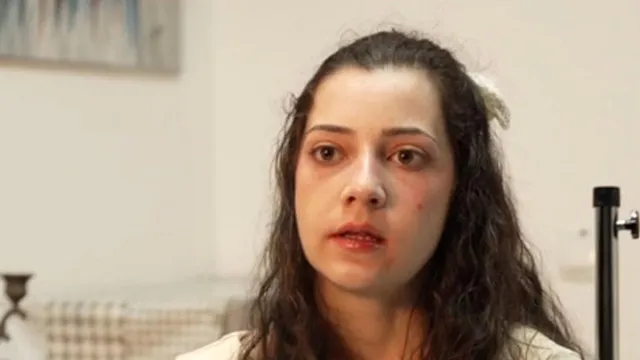
Noelia Castillo ends her life through legal euthanasia in Spain
Noelia Castillo ends her life through legal euthanasia in Spain
- Noelia Castillo, 25, died by euthanasia in a Barcelona hospital after a prolonged legal battle.
- She was left paraplegic after a suicide attempt in 2022, leading her to seek assisted dying.
- The case highlights significant debates around euthanasia rights and state responsibilities in Spain.
Story
Spain was the scene of a difficult euthanasia case wherein Noelia Castillo, a 25-year-old woman, died after a long legal struggle. Left paraplegic due to a suicide attempt in 2022, Noelia sought to end her suffering through assisted dying. The Catalan government granted her the right to euthanasia in 2024, but her father legally challenged this decision, resulting in a legal battle that lasted 18 months, backed by the conservative campaign group Christian Lawyers. This culminated in a ruling from the European Court of Human Rights in her favor, allowing her to proceed with her death by euthanasia. Throughout her life, Noelia faced numerous challenges, including experiences in care homes and mental health issues stemming from traumatic events, such as sexual assault. Despite her father's opposition and lack of family support for her decision, Noelia expressed a clear desire to die with dignity, stating how important it was for her to end her suffering. The case prompted both support and criticism regarding Spain's euthanasia law, which permits assisted dying under specific conditions. This unprecedented situation illustrated the complexities of legal, familial, and ethical considerations involved in cases of euthanasia. The rights of individuals to make choices about their own lives, particularly in cases of grave mental health issues and physical suffering, stand at the center of ongoing societal debates. Additionally, observers criticized the role of the state in providing adequate care and support for vulnerable individuals like Noelia, raising questions about intervention and the effectiveness of existing laws pertaining to assisted dying. As the Spanish society grapples with these challenging issues in the wake of Noelia’s death, advocates for euthanasia rights have renewed calls for reforms that consider the autonomy and wishes of individuals facing severe suffering. This tragic event has become a focal point of discussion on the ethical implications of euthanasia, urging citizens and lawmakers to reflect on the values that govern life and death decisions.
Context
The history of euthanasia legislation in Spain reflects a complex interplay of social values, legal considerations, and medical ethics. The journey towards legalizing euthanasia can be traced back several decades, driven by activists advocating for the rights of patients to choose their end-of-life circumstances and a growing societal acceptance of assisted dying. Historically, the debate has been deeply polarized, with strong opposition from various segments of society, including religious and conservative groups who regard euthanasia as incompatible with the sanctity of life. Despite these challenges, public opinion has gradually shifted towards favoring the legalization of euthanasia, particularly in the context of personal autonomy and compassionate choices for those suffering from terminal conditions or incurable diseases. This shift has catalyzed political action and legislative proposals that have sought to reflect evolving public attitudes toward end-of-life care and dignity in dying. In 2010, the Spanish Parliament made a significant move by legalizing active euthanasia for terminally ill patients, becoming one of the few countries globally to adopt such comprehensive legislation. This landmark decision was driven by a coalition of progressive parties and civil organizations advocating for ethical principles in healthcare, emphasizing the need for patients to have control over their suffering and death. Following prolonged discussions and debates surrounding the moral implications of euthanasia, the law was framed to ensure robust safeguards against potential abuses, including stringent criteria for eligibility. Provisions were established for thorough assessments by medical professionals, requiring that patients demonstrate their requests were voluntary, informed, and persistent, thus creating a legal framework that aimed to balance individual rights with ethical medical practices. The implementation of euthanasia law in Spain was marked by intense scrutiny and ongoing discussions about its consequences in real-world scenarios. Since the law's enactment, there has been ongoing evaluation of its impact on society, medical professionals, and the patient experience. Reports indicated a gradual uptake of the law, with patients increasingly utilizing the right to choose euthanasia under the prescribed conditions. However, challenges remain regarding healthcare personnel's support for the law and the emotional and ethical implications for those involved in the decision-making process. Furthermore, increased awareness of mental health issues among patients seeking euthanasia has prompted debates concerning the need for comprehensive support systems assisting individuals grappling with severe psychological distress versus terminal physical conditions. As Spain continues to navigate the complexities of euthanasia and the rights surrounding it, the discourse remains vibrant and multifaceted. Legal and medical experts, alongside ethical theorists, contribute to the ongoing dialogue aimed at refining laws and practices surrounding euthanasia. The evolving landscape not only reflects a changing societal perspective on life and death but also raises critical questions about the value of life, autonomy, and the healthcare system's responsibility to ensure dignity for its patients. Thus, the history of euthanasia law in Spain exemplifies a significant development in human rights and medical ethics, shaping the country’s approach to end-of-life care and continuing to influence broader discussions around health, morality, and personal freedoms.


