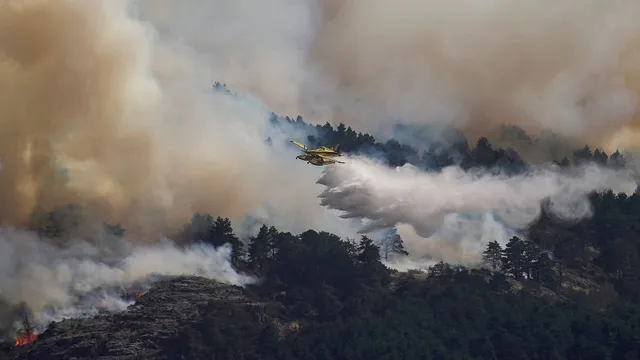
Spain is experiencing significant impacts from climate change, particularly in relation to wildfires. The increasing temperatures, prolonged droughts, and changing precipitation patterns are creating an environment that is more conducive to wildfires. Over the past few decades, the frequency and intensity of wildfires in Spain have escalated, leading to devastating consequences for ecosystems, human health, and the economy. The Mediterranean climate, characterized by hot, dry summers and mild, wet winters, is becoming increasingly unpredictable, exacerbating the risk of wildfires. As temperatures rise, the moisture content in vegetation decreases, making it more flammable and increasing the likelihood of ignition from natural or human-induced sources.
The impact of wildfires extends beyond immediate destruction. They contribute to air pollution, releasing harmful particulates and gases that can affect respiratory health in nearby populations. Additionally, wildfires can lead to soil erosion, loss of biodiversity, and disruption of water cycles, which can have long-term effects on agricultural productivity and water availability. The economic costs associated with wildfires are substantial, including firefighting efforts, property damage, and loss of tourism revenue, which is vital for many regions in Spain. The government and local authorities are increasingly recognizing the need for comprehensive strategies to mitigate these impacts, including improved land management practices, public awareness campaigns, and investment in firefighting resources.
Adaptation strategies are essential to address the challenges posed by climate change and wildfires. These strategies include enhancing forest management to reduce fuel loads, implementing controlled burns, and restoring ecosystems to improve resilience against wildfires. Additionally, urban planning must consider wildfire risks, ensuring that communities are better prepared for potential fire events. The integration of technology, such as satellite monitoring and early warning systems, can also play a crucial role in detecting and responding to wildfires more effectively. Collaboration among government agencies, non-governmental organizations, and local communities is vital to develop and implement these strategies successfully.
In conclusion, the impact of climate change on wildfires in Spain is a pressing issue that requires immediate attention and action. As the frequency and intensity of wildfires continue to rise, it is imperative to adopt a multifaceted approach that includes prevention, preparedness, and recovery efforts. By investing in sustainable land management practices, enhancing community resilience, and fostering collaboration among stakeholders, Spain can better navigate the challenges posed by climate change and protect its natural and human resources from the devastating effects of wildfires.