

Federal judge demands hearing for deported Venezuelan men amid torture claims
Federal judge demands hearing for deported Venezuelan men amid torture claims
- In March 2025, over 200 Venezuelan men were deported to CECOT under Donald Trump's orders despite legal challenges.
- The deported men reported severe abuse, including torture and sexual assault, during their detention.
- A federal judge ruled that these men are entitled to a hearing, impacting U.S. foreign policy discussions.
Story
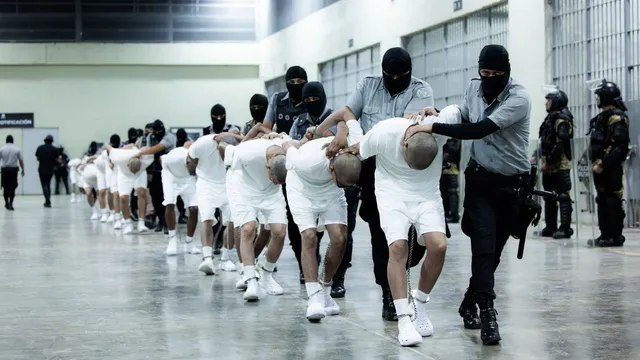
In March 2025, more than 200 Venezuelan men were deported to El Salvador to CECOT, a notorious prison known for brutal conditions. This action was taken by the Trump administration under the invocation of the Alien Enemies Act, despite existing federal court orders blocking their deportation. The deportees faced severe allegations of abuse, including torture and sexual assault, during their detention in CECOT. A recent ruling by District Judge James Boasberg determined that these deported men are entitled to a hearing regarding their situation, which could involve being brought back to the U.S. or pursuing their cases from abroad. However, Secretary of State Marco Rubio expressed concerns that allowing such hearings could risk U.S. foreign policy interests in Venezuela, especially after a sensitive operation aimed at capturing President Nicolas Maduro created a volatile political environment. This push by the Trump administration to deport Venezuelan immigrants coincided with heightened scrutiny due to an agreement where the U.S. government paid El Salvador $5 million to detain deported Venezuelan men accused of gang affiliations, misusing the legal system against vulnerable populations. In late December 2025, a segment addressing these issues was initially withheld by CBS News editor Bari Weiss, leading to internal backlash and accusations of political bias. When leaked, it gained considerable attention online as it brought forth traumatic testimony from formerly detained men, thus highlighting not only the systemic issues in immigration and detention centers but also the broader implications of U.S. foreign policy in Latin America.


