

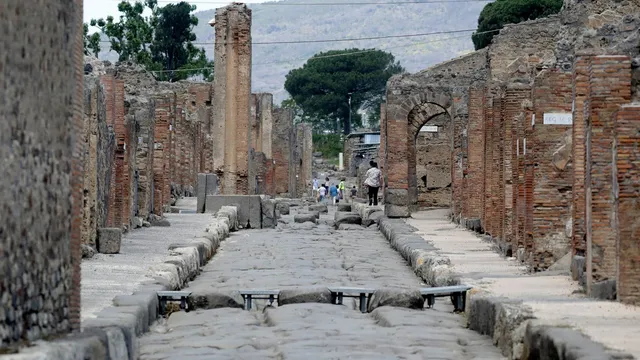
Emotional plaster casts of Pompeii victims now permanently exhibited
Emotional plaster casts of Pompeii victims now permanently exhibited
- More than 20 plaster casts of victims from the Mount Vesuvius eruption were introduced in a new exhibition.
- The exhibition aims to honor the victims and provides insights into their final moments.
- Visitors can learn about daily life in Pompeii and the catastrophic impact of the eruption.
Story
In Pompeii, Italy, a new permanent exhibition was unveiled showcasing over 20 plaster casts of the victims who perished during the Mount Vesuvius eruption in 79 AD. This exhibition opened recently, allowing visitors to witness these poignant imprints, often described by scholars as ‘imprints of pain.’ These casts vividly capture the final poses of the individuals who tragically lost their lives in this catastrophic event, becoming a significant part of the archaeological understanding of the eruption. They were created using a process where liquid plaster was poured into voids left by decomposed bodies in the ash. Director Gabriel Zuchtriegel emphasized the intention behind the exhibition, aiming to honor these individuals—men, women, and children—by preserving the dignity of their final moments. He stated the importance of making the event understandable and inclusive for visitors. This unique site is noted for its ability to provide extraordinary historical evidence, differentiating Pompeii from other archaeological locations globally. The eruption led to the death of an estimated 2,000 residents within Pompeii, while wider regional fatalities reached around 16,000. Additionally, the exhibition includes displays of various findings such as plants and food that were buried under layers of ash. These exhibits have been curated to convey a comprehensive picture of life in Pompeii prior to the eruption and to highlight the dramatic aftermath that followed. Visitors are encouraged to reflect on the historical events and the emotional impact these remnants hold. The exhibition is strategically located in the porticoes of the Palestra Grande, opposite the Amphitheatre, and it aims to evoke a profound emotional response from its audiences, making the historical tragedy more relatable. Researchers and archaeologists, including Silvia Martina Bertesago, believe that through advanced analysis, they can glean insights not only about the age and sex of the victims but also about their health conditions and diets at the time of the eruption. This ongoing research enhances the understanding of the societal impacts and personal stories connected to this monumental disaster.


