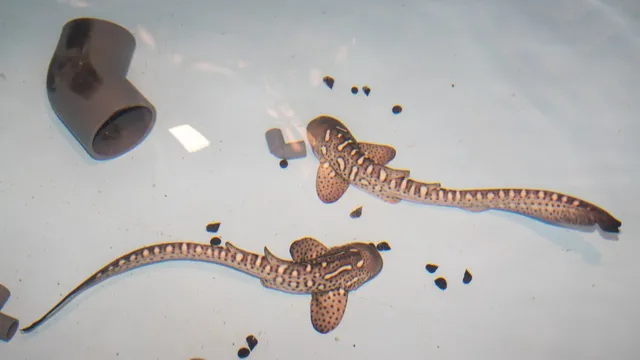
In recent months, a significant conservation effort has emerged in Indonesia, specifically targeting the Indo-Pacific leopard shark, which has seen a drastic decline in its population. The waters of Raja Ampat, a region known for its rich marine biodiversity, have been particularly affected, with leopard sharks nearly vanishing due to extensive fishing practices. Indonesia is recognized as one of the largest shark fishing nations globally, which has contributed to the alarming situation of these sharks. The conservation project aims to address this issue by hatching leopard shark eggs and nurturing the young sharks in a controlled environment before releasing them back into their natural habitat.
This innovative approach marks a first-of-its-kind initiative in the region, focusing on the rewilding of leopard sharks. The project not only seeks to restore the population of this specific species but also serves as a model for conservation efforts aimed at other shark species facing similar threats. The involvement of international scientists and local communities highlights the collaborative nature of this project, emphasizing the importance of shared responsibility in marine conservation.
Freelance journalist Katerina Barton has provided insights into the workings of the shark nursery, detailing the processes involved in raising the shark pups. The project is designed to ensure that the young sharks are adequately prepared for life in the ocean, which includes teaching them essential survival skills. The hope is that by reintroducing these sharks into the waters where they once thrived, the population can begin to recover, contributing to the overall health of the marine ecosystem in Raja Ampat.
As the project progresses, questions remain about its long-term effectiveness and whether it will be sufficient to reverse the decline of leopard sharks in the region. The success of this initiative could have broader implications for shark conservation efforts worldwide, potentially inspiring similar projects in other countries facing challenges with shark populations. The ongoing efforts in Indonesia represent a critical step towards safeguarding the future of leopard sharks and ensuring the sustainability of marine life in the area.